Italian Cuisine Is Now UNESCO World Heritage: What Exactly Does It Mean?
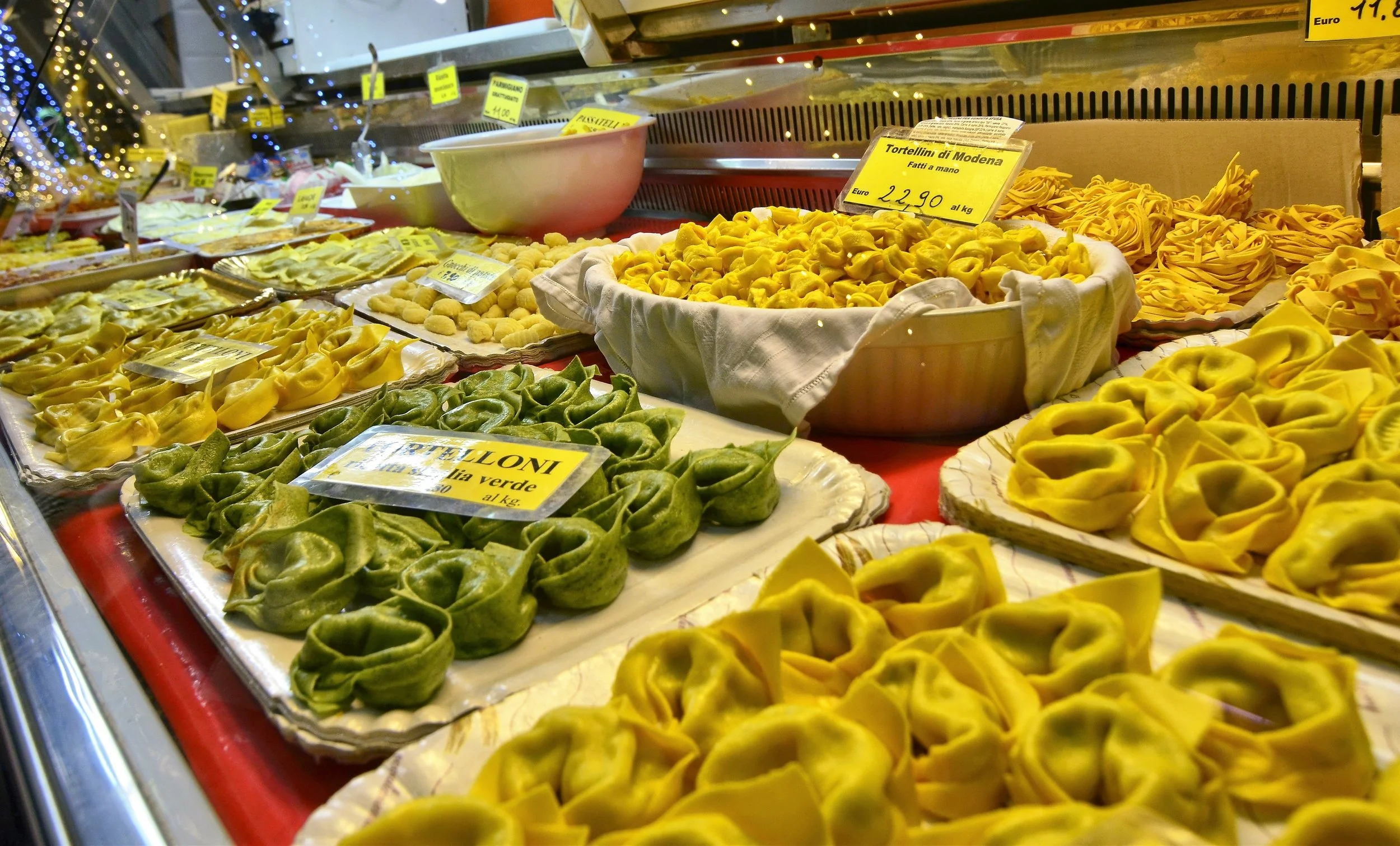
Fresh Tortelloni for sale at The Albinelli Market in the heart of Modena, IT
A Historic Moment for Italian Food
In December 2025, UNESCO officially inscribed Italian cuisine on the Intangible Cultural Heritage of Humanity list. This is the first time an entire national cuisine has ever earned this distinction. This recognition elevates Italy’s culinary traditions, regional diversity, and cultural rituals to the same protected status as global icons such as The Great Wall of China, The Taj Mahal, and Stonehenge. But when I hear the term UNESCO, I associate it with places and not food, so let’s learn what this all means and why.
What Is UNESCO Intangible Cultural Heritage?
UNESCO protects not just monuments and historic cities, but also living traditions, which it considers the practices, skills, and cultural expressions that communities pass down through generations.
According to UNESCO, intangible heritage includes:
“Knowledge, skills, social practices, rituals, festive events, and traditional craftsmanship that provide communities with a sense of identity and continuity.”
(Source: UNESCO Intangible Heritage Overview – https://ich.unesco.org/en/what-is-intangible-heritage-00003)
Examples already on the list include:
Traditional violin making of Cremona
Neapolitan pizzaiuolo (pizza-making)
Mediterranean Diet traditions
Transhumance (seasonal livestock migration)
In 2025, Italian cuisine as a whole joined this prestigious group. In part because of the inseparable nature of cuisine from the Italian people.
Why UNESCO Recognized Italian Cuisine
UNESCO approved Italy’s nomination “Italian Cuisine Between Sustainability and Biocultural Diversity” because Italian cooking embodies these 5 pillars:
Regional Biodiversity
Every region, valley, and village has its own unique ingredients, including grapes, olives, wheat, and cheeses, as well as its own distinct culinary rituals.
Seasonality and sustainability
Italian food celebrates natural rhythms, slow-food traditions, and local agriculture.
Intergenerational transmission
Recipes, techniques, and food rituals are taught at home and passed down for centuries.
Community identity
Meals are not just nutrition; they are a collective memory and a celebration of connection.
Preservation of artisanal knowledge
Italy’s gastronomic heritage relies on faithfully maintaining ancient methods from producers across every part of Italy’s gastronomic culture.
winemakers
Traditional Balsamic Vinegar
olive growers
pasta artisans
cheesemakers
millers
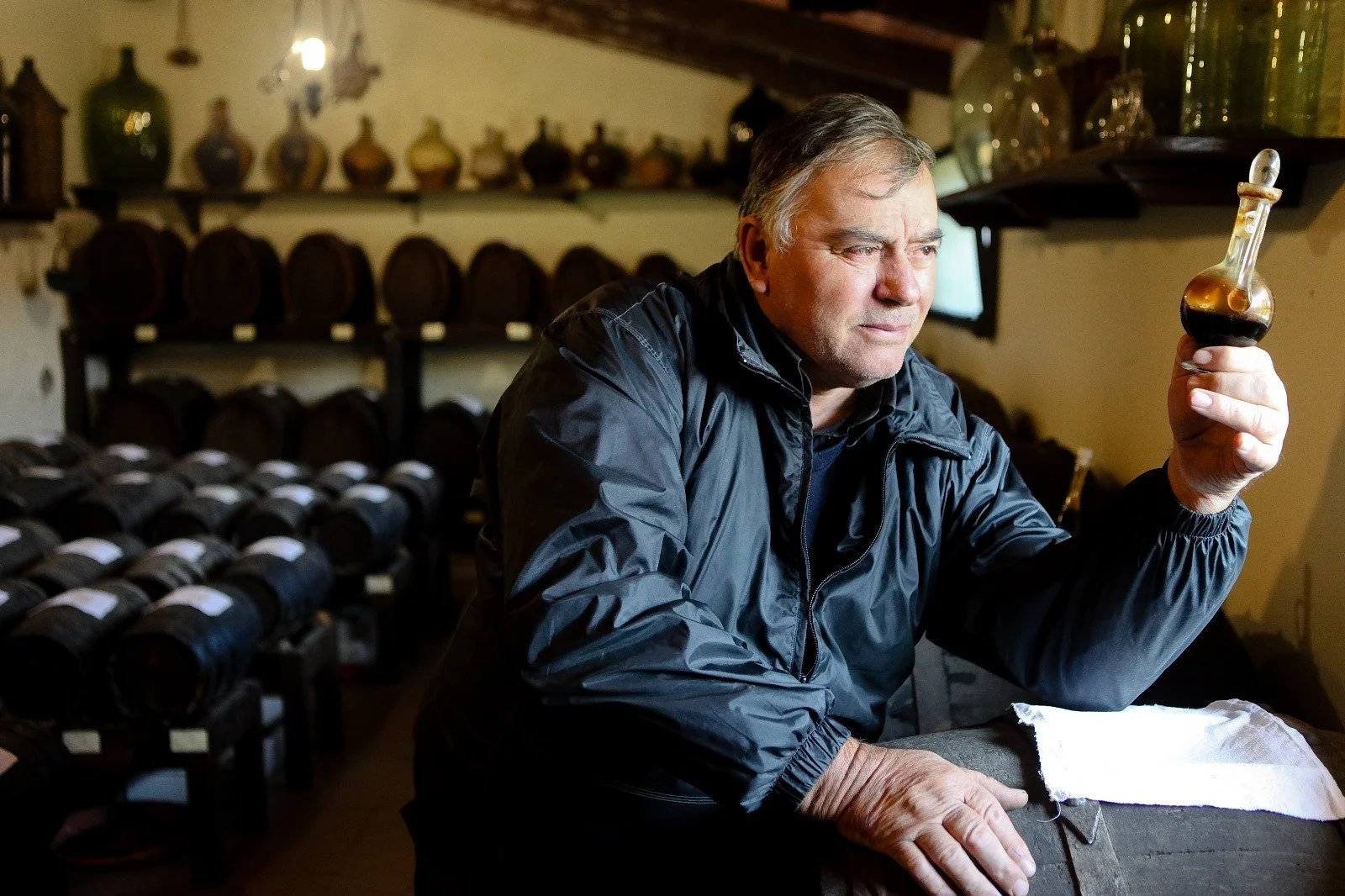
Quality inspection of Traditional Balsamic Vinegar done by hand at Gocce Italiane
How Fratelli Del Vino Fits Into This Heritage
At Fratelli Del Vino, every product we import is a true “Product of Italy,” as opposed to “Made in Italy,” which means that production happens in Italy, but the ingredients can be sourced from other countries. Be sure to read labels when purchasing imported products. Since everything we import is a “Product of Italy,” this means that all ingredients, production, and craftsmanship occur entirely in Italy, aligning with the values recognized by UNESCO.
Our producers reflect:
multi-generational family traditions
regional authenticity
artisanal methods
deep respect for terroir and biodiversity
Examples from our collection:
Traditional Balsamic Vinegar (Modena, Emilia-Romagna)
Slow-fermented, barrel-aged, and crafted using centuries-old traditions. This 5th-generation, family-owned Acetaia (Vinegar House) farms and produces all its products on-site in Modena. Of course, they are active members of the Balsamic Vinegar Consortium, which aims to preserve this centuries-old tradition.
Shop and Support Gocce Italiane
Sicilian Extra-Virgin Olive Oil
Pressed from olives grown in Sicily, one of the world’s oldest olive regions, using traditional milling practices.
Shop and Support Gocce Italiane
Artisanal Italian Pasta (Coming Soon)
Made from Italian-grown wheat and traditional bronze-extrusion techniques passed down in the same family for over 4 generations.
Shop and Support Fabbri
Lambrusco & Pignoletto Wines (Emilia-Romagna)
These wines represent UNESCO-recognized biodiversity, utilizing grapes that have been cultivated in the same regions for millennia. Our producer is a Cantina Style Winery that has supported regional farmers for over a century, while providing the most authentic and “true to tradition” wines in the region. Cantina is also a proud member of the Lambrusco Consortium, which focuses its efforts on preservation, quality, and authenticity.
Learn More About Cantina Formigine Pedemontana
Chianti Classico & Chianti Riserva (Tuscany)
Crafted in one of Italy’s most historically significant wine regions, where winemaking traditions date to the Etruscans. Ca’ di Pesa represents a small, family-owned winery that not only adheres to the strict regional standards of the Chianti Consortium but is also an active member of the Panzano Union, which further preserves terroir and hyper-regional diversity and culture.
Learn More About Ca’ di Pesa
Valpolicella, Ripasso & Amarone (Veneto)
Produced according to strict regional methods, including the appassimento technique for Amarone. This 4th-generation, family-owned and family-run producer is a member of the Federation for Independent Wines of Italy, as well as Slow Wine, both organizations dedicated to preserving artisanal production methods and high-quality wine.
Learn More About Manara Vini

Vine training is still done by hand by the same family today at Manara Vini
This UNESCO recognition reminds us that what we do matters!
When you purchase from Fratelli Del Vino, you are not simply buying ingredients. You are actively supporting threatened traditions, family producers, and regional craftsmanship. UNESCO’s designation highlights why authenticity matters and why importing true Italian products is more crucial than ever.
Italian cuisine is now officially recognized as a treasure of humanity. Its traditions, regional diversity, and artisanal practices deserve protection and support. At Fratelli Del Vino, we are proud to be part of this mission by importing authentic foods that express Italy’s heritage exactly as UNESCO intended.
