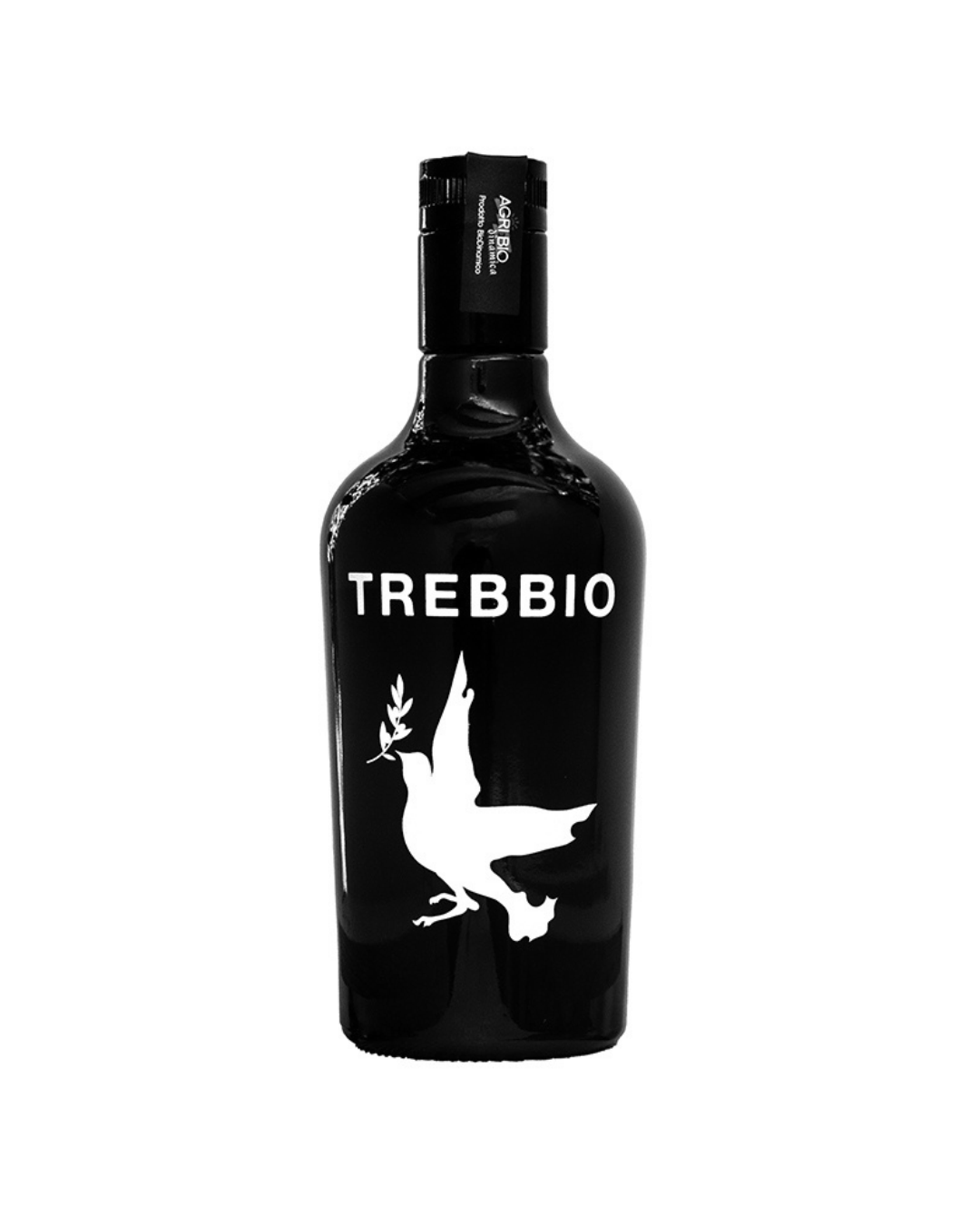
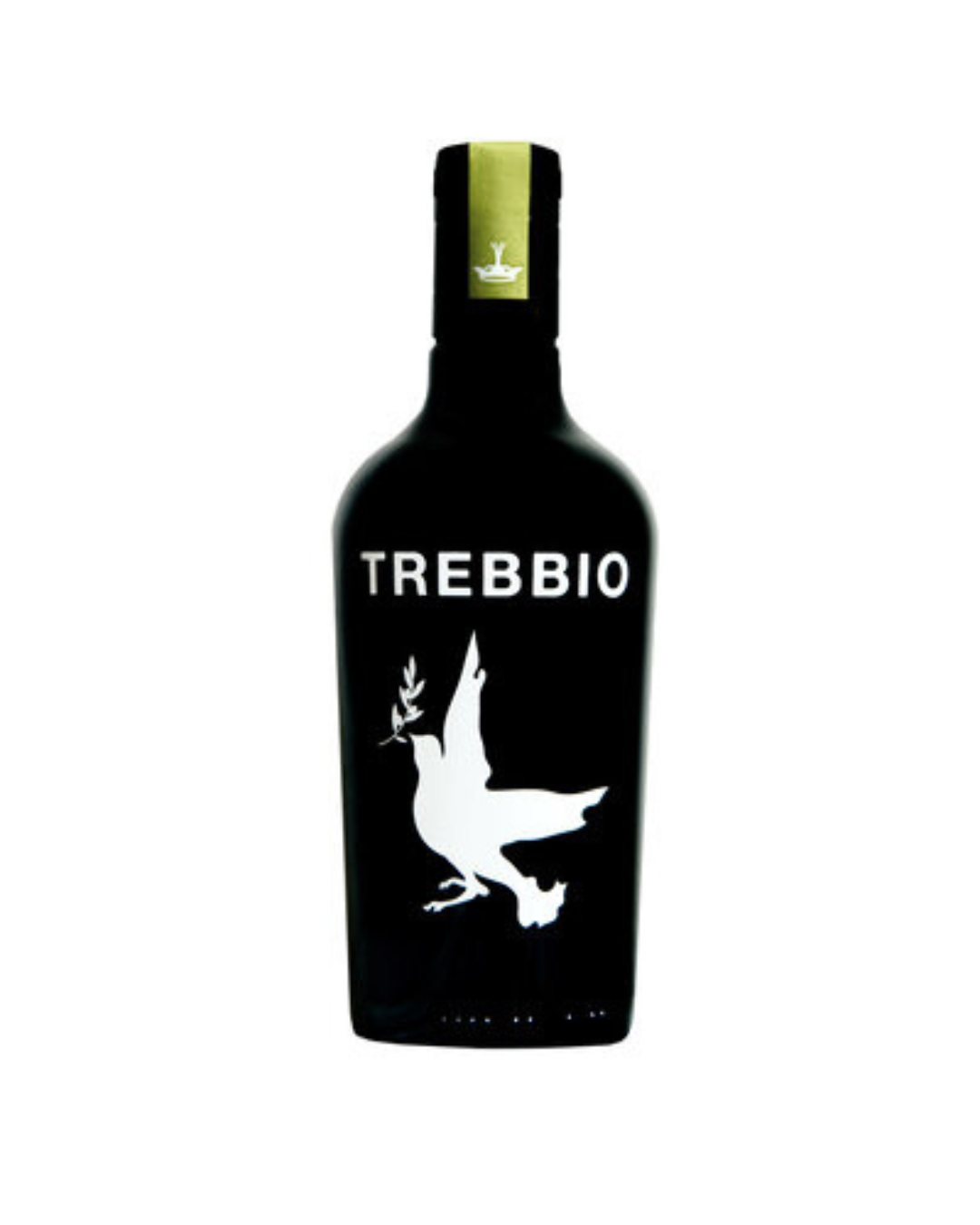
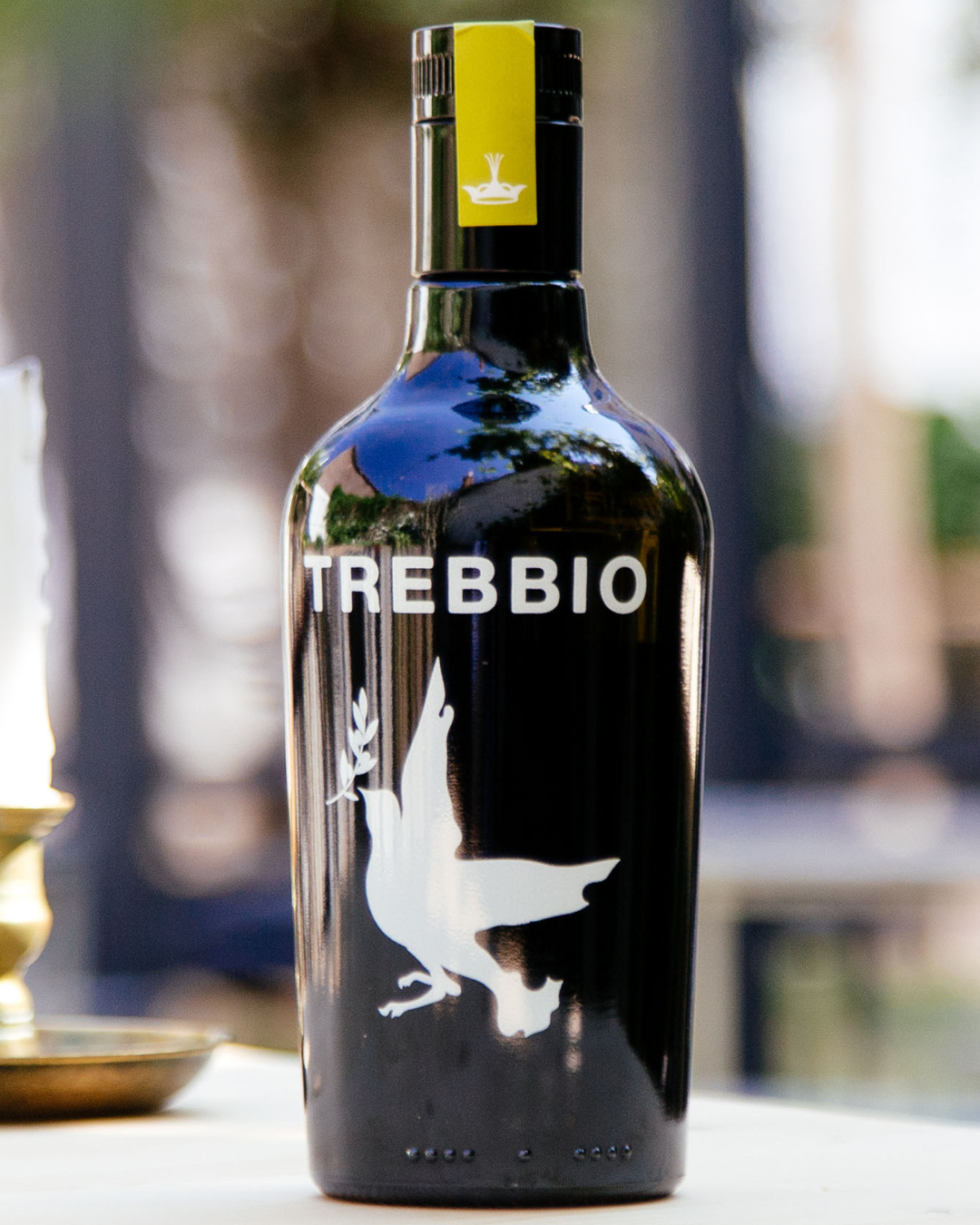
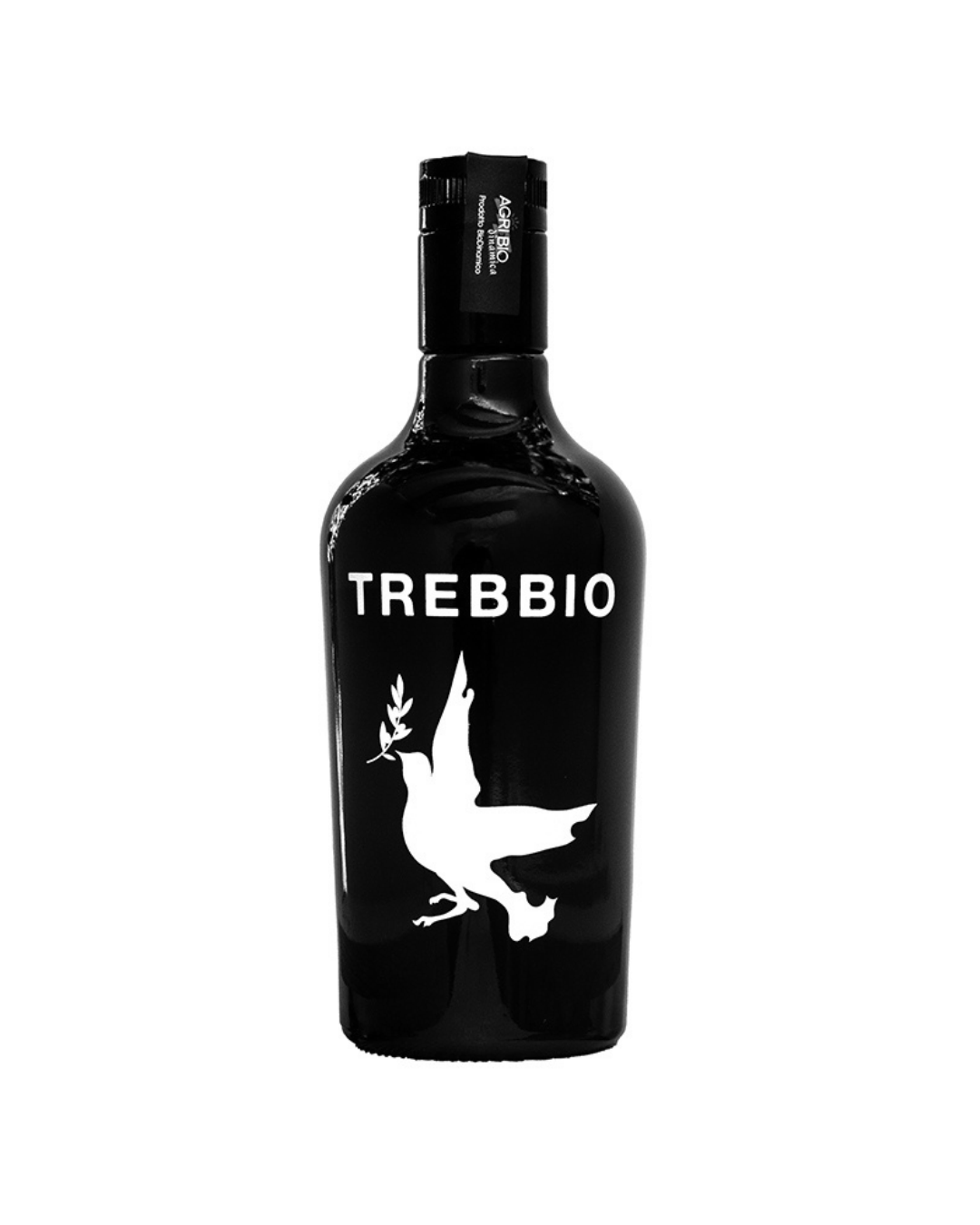
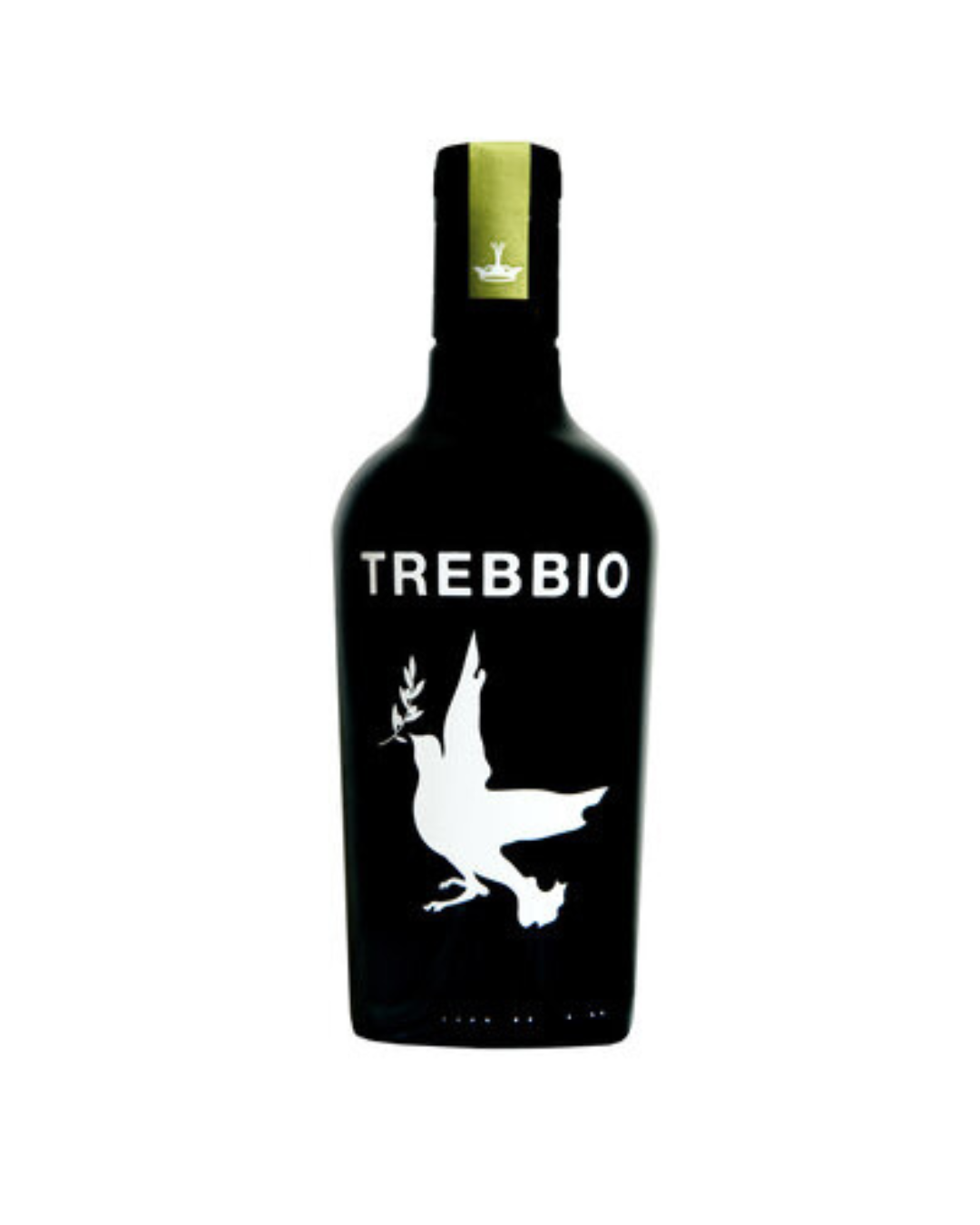
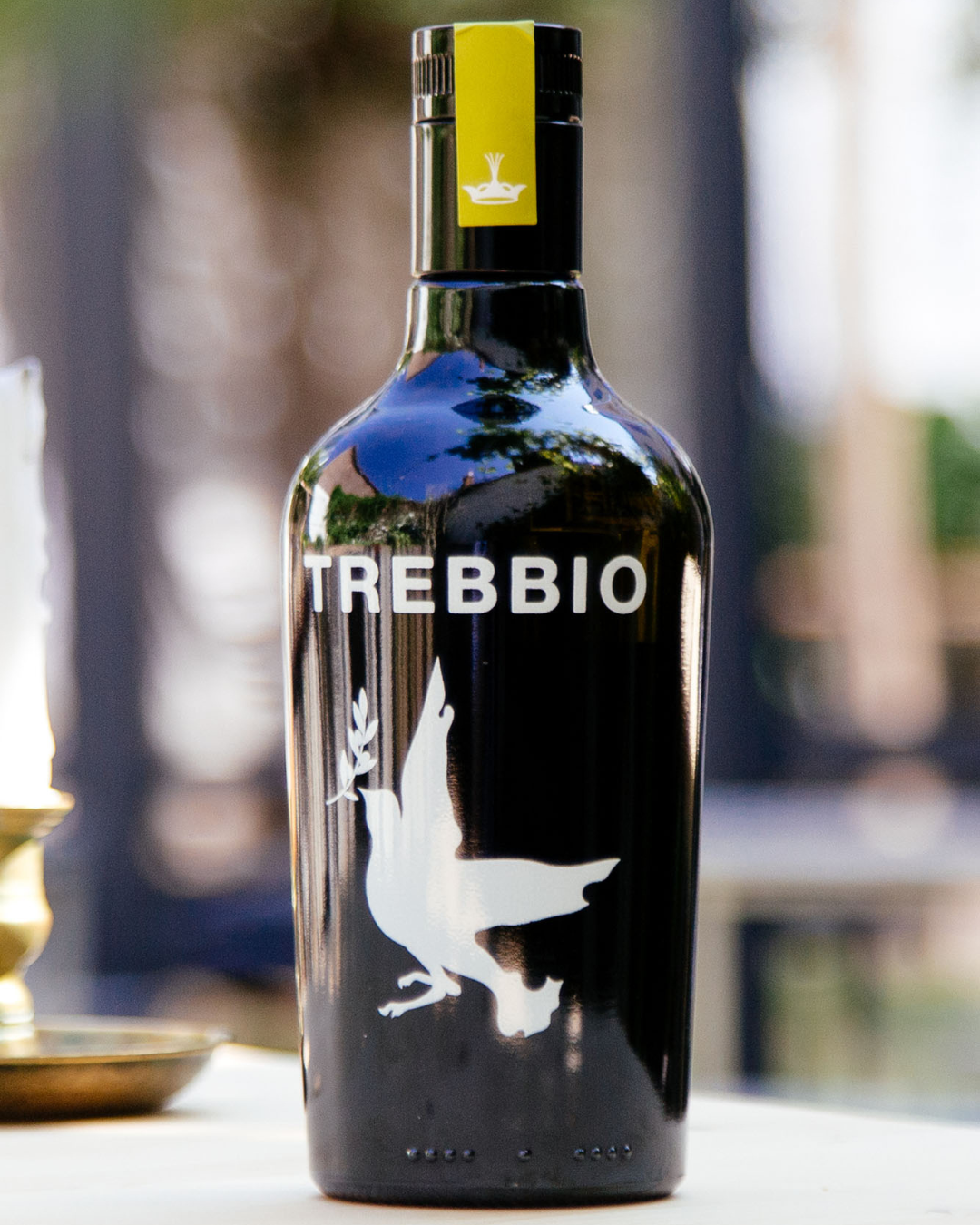
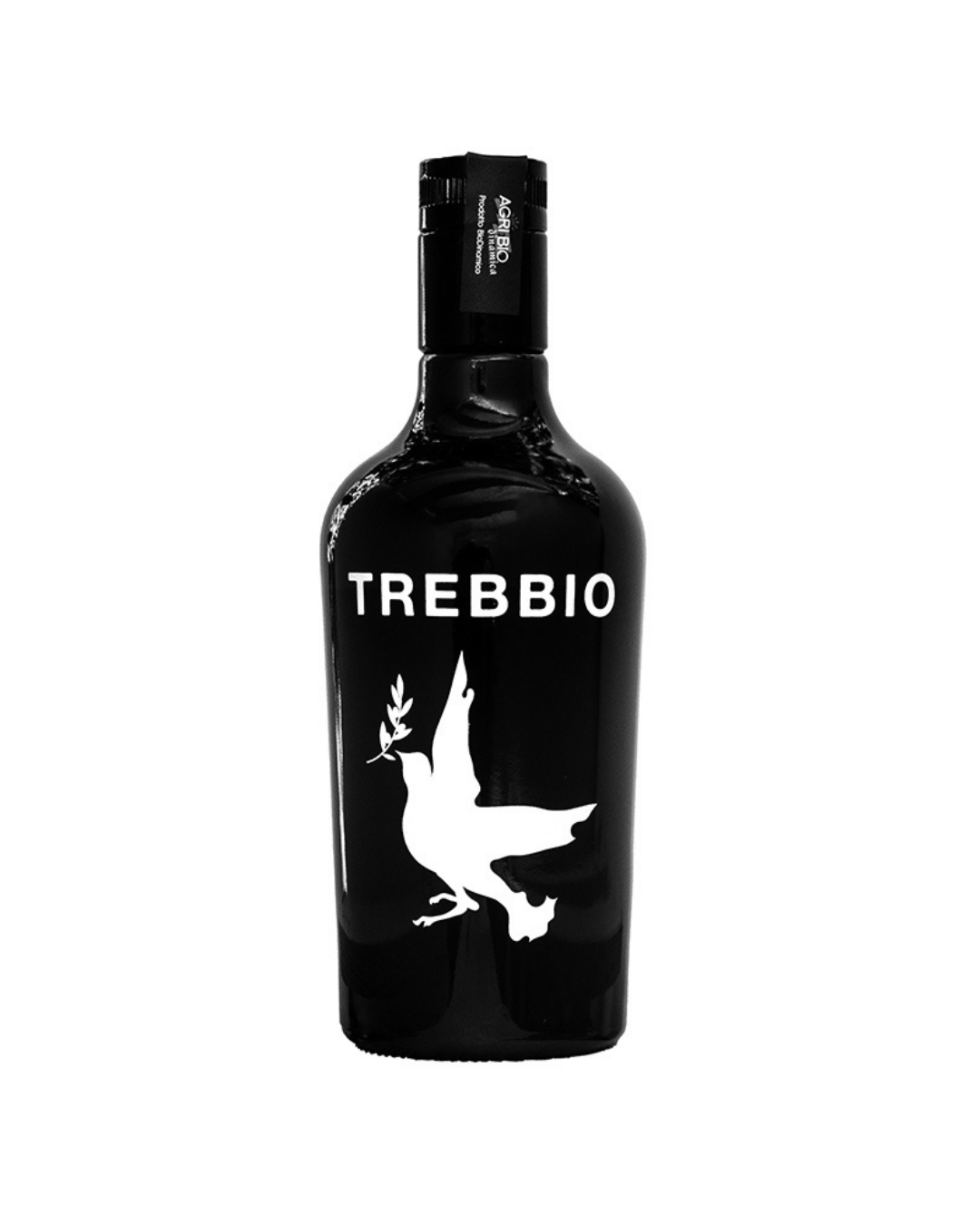
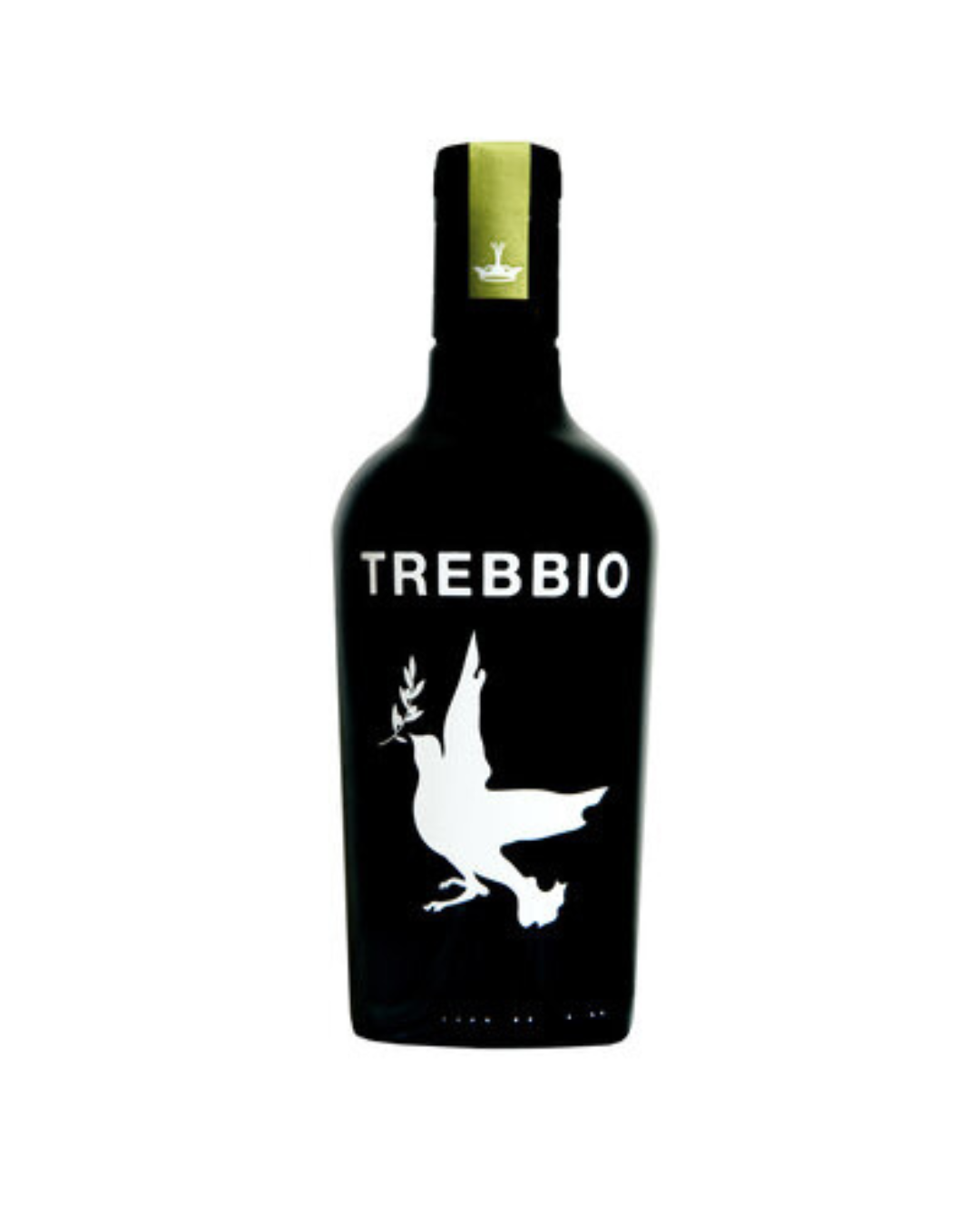
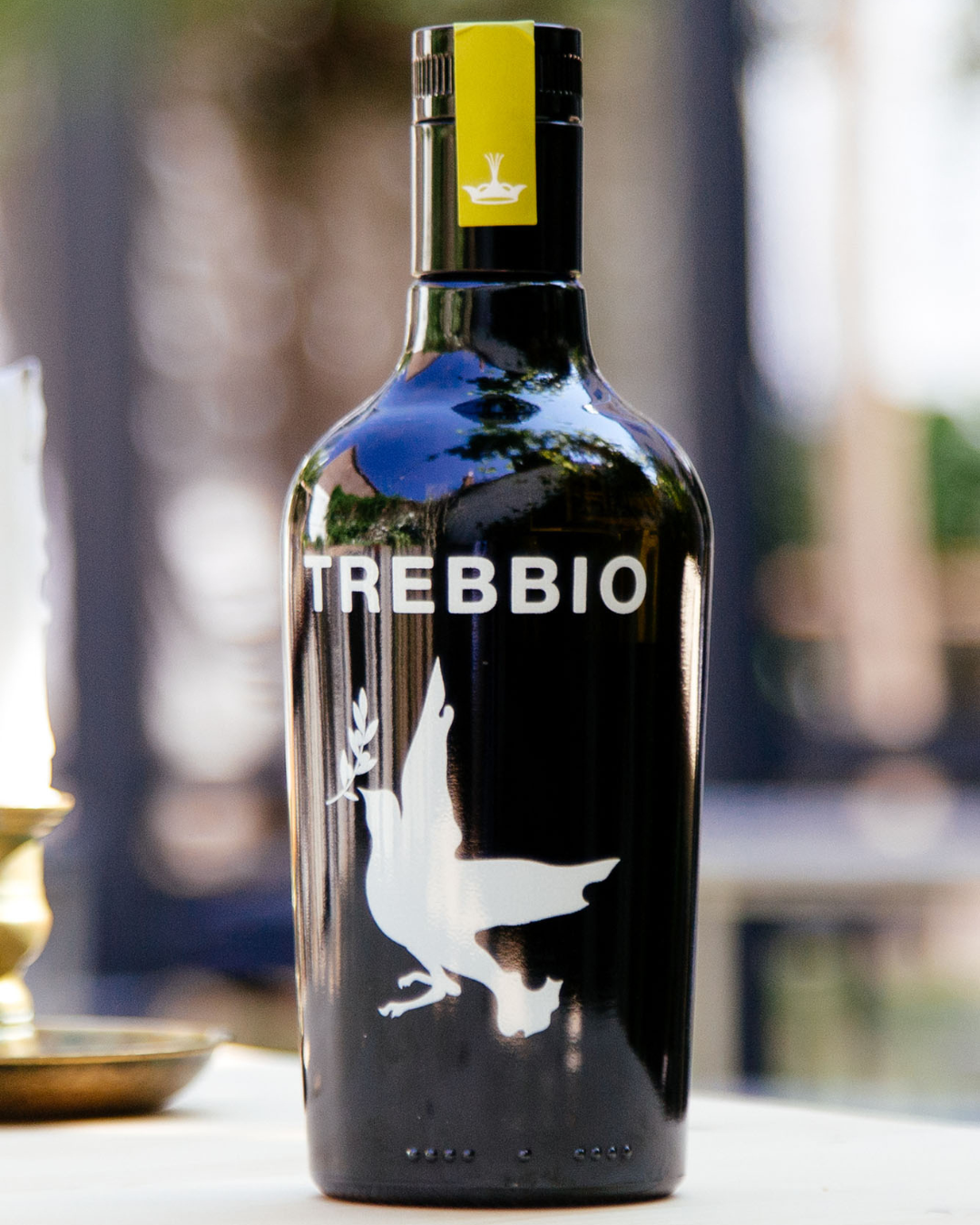
Trebbio · Il Trebbio estate, Mugello · Tuscany
Five Tuscan varieties in equal parts, assembled from the same single-variety tanks as the monovarietals, by the man who spends the year deciding what each one is for. It tastes of artichoke, green almond and cut grass carried in on the spice, with a balsamic finish underneath.
Arriving Q1 2027. We're bringing in a limited first allocation. Join the list and you'll hear before it goes on general sale: one email, no newsletter. Notify me when it lands
Imported direct from the estate · Ships from Nashville
The vintage
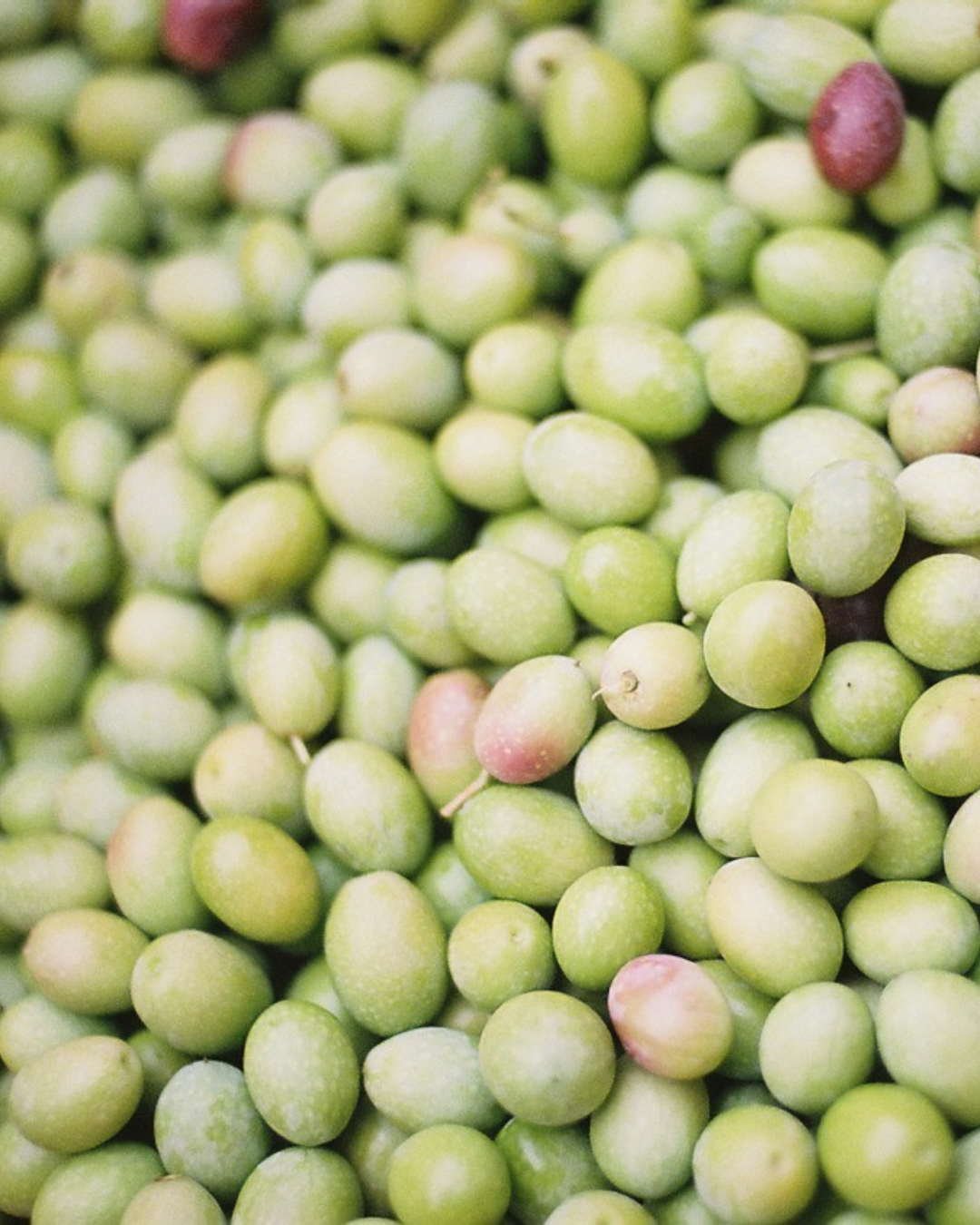
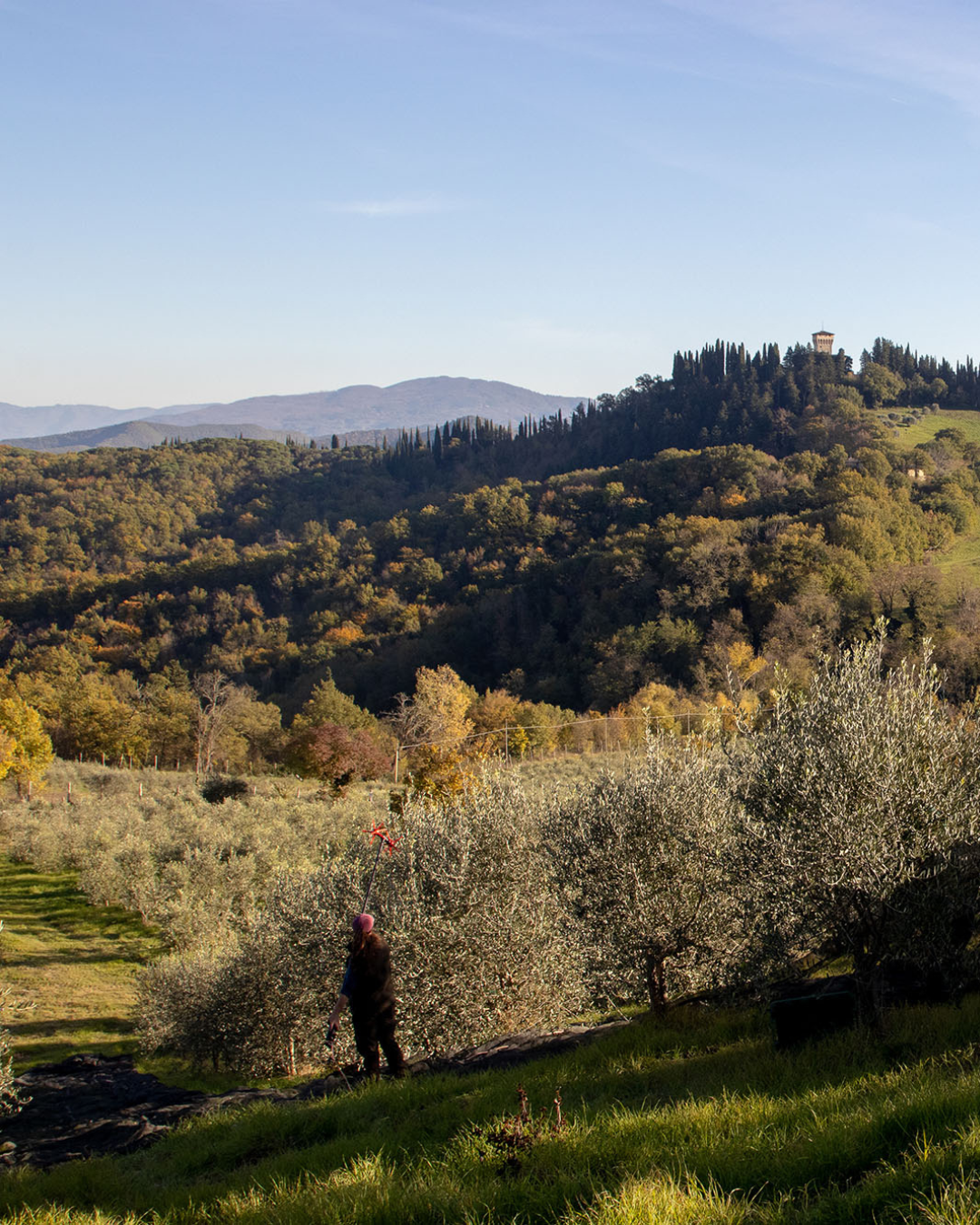
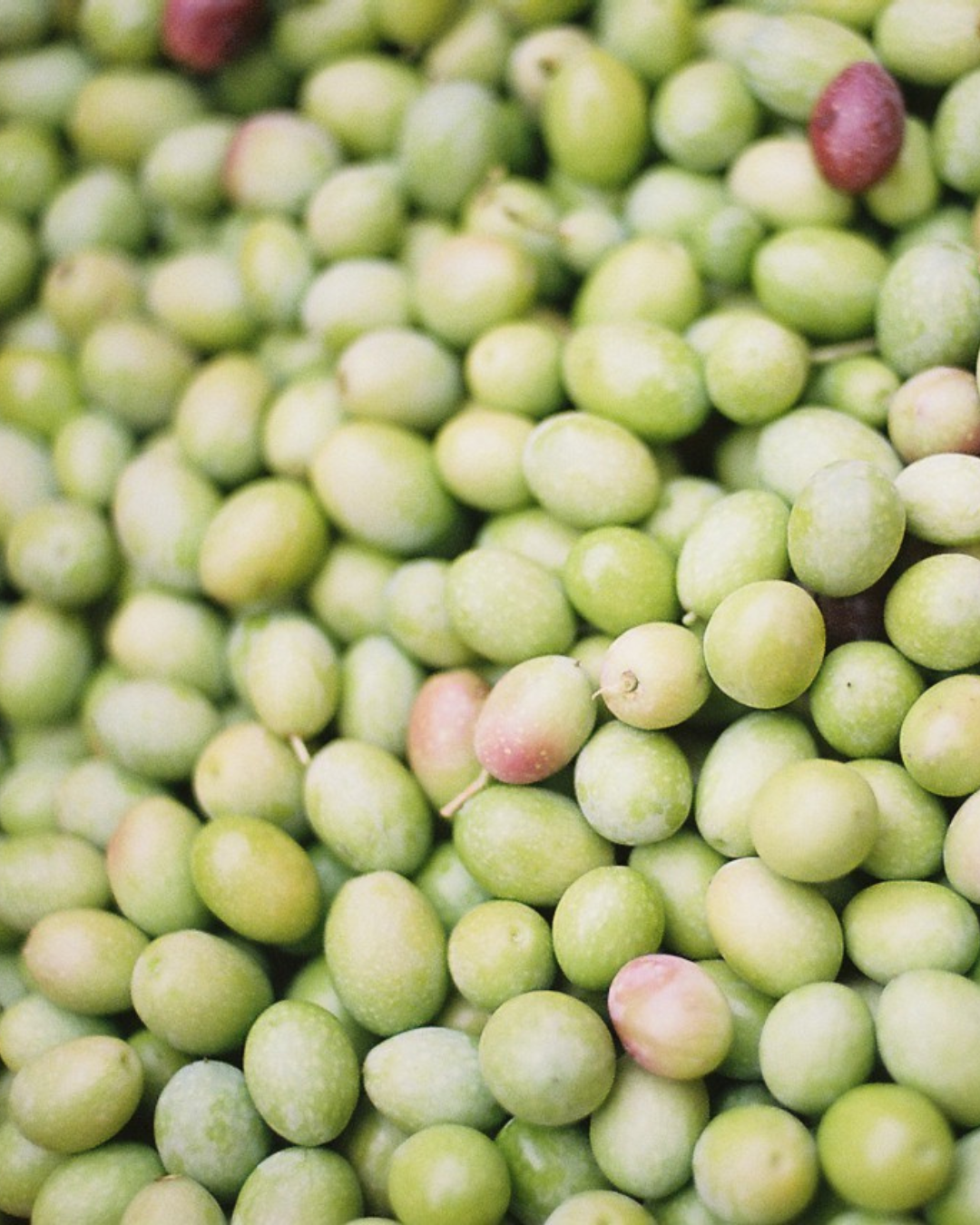
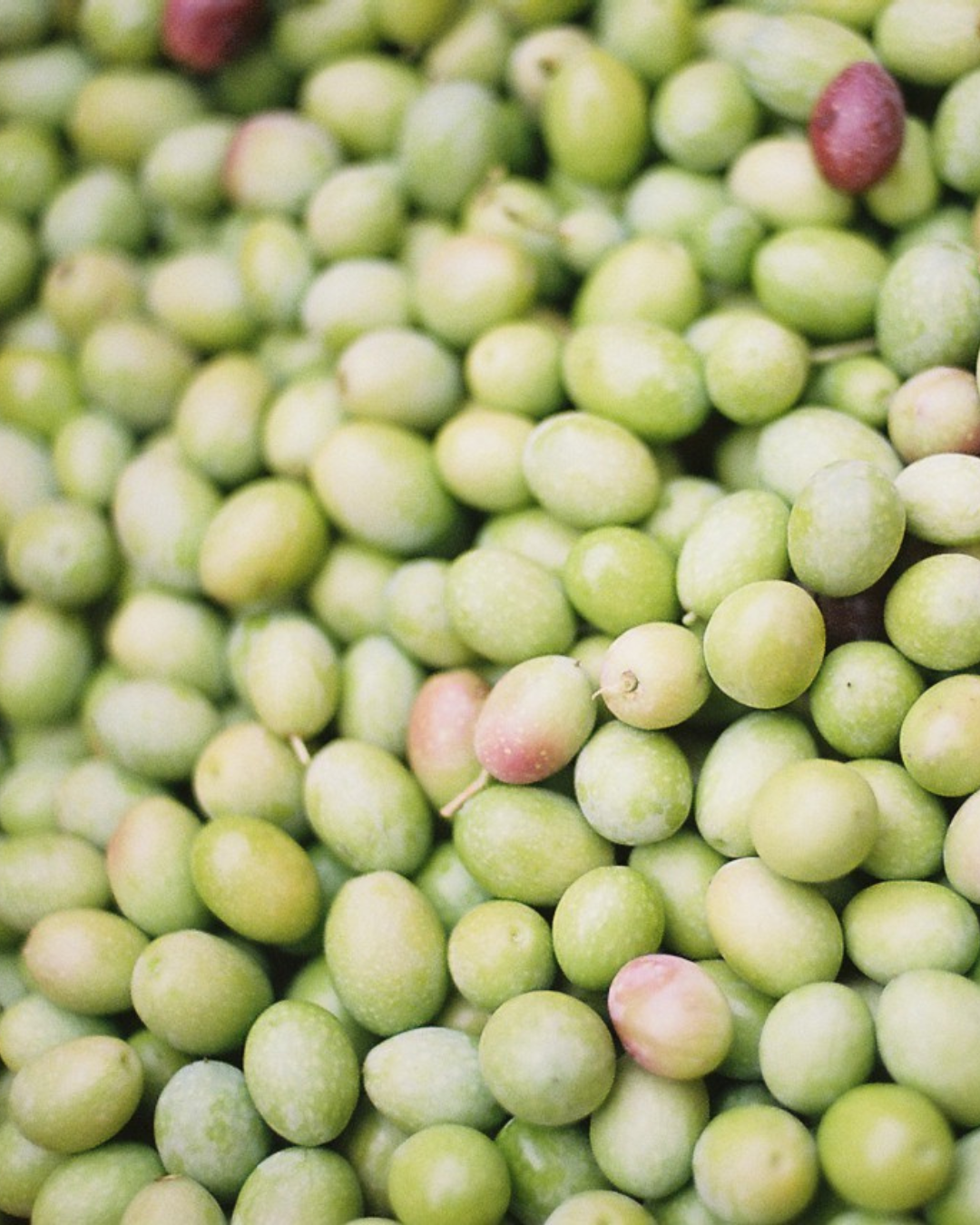
Harvest Oct 2026 early, hand-picked
The blend 5 × 20% Frantoio, Leccino, Leccio del Corno, Maurino, Moraiolo
Free acidity 0.20% the limit is 0.80%
Peroxides 3.8 the limit is 20
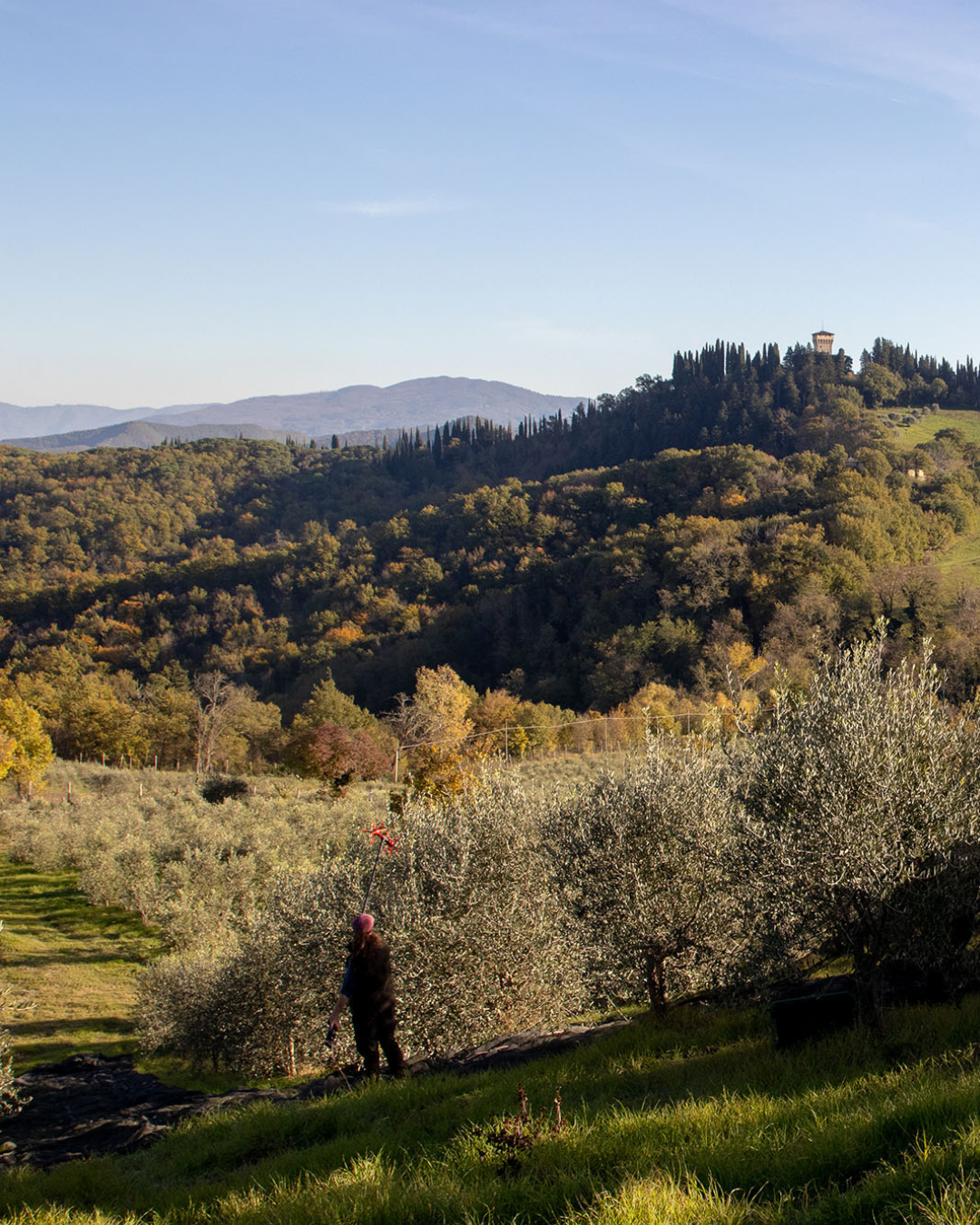
Soil: silt 61%, clay 25%, sand 14%. Seventy hectares of traditional and modern groves on the hills north of Florence. Pressed cold, micro-filtered immediately, then held in stainless steel under inert gas at controlled temperature, one tank per variety, which is what makes a true monovarietal possible.
A blend is a decision, and somebody makes it
Every variety on this estate is picked, milled and kept on its own, one tank each. The monovarietals are those tanks, bottled as they are. This one is five of them, put together on purpose.
That assembly is somebody's job. Stefano Giannini has been part of Trebbio from the very beginning. He heads operations in the groves, and he is the one who defines the taste profiles: the person deciding what a given year's Frantoio does to that year's Leccino, and in what proportion. Valley Life put it well: the precision involved now matches that of wine sommeliers, and amounts to a quiet revolution of taste in the industry.
Think of it the way you think about whiskey. A single barrel is a thrilling thing and occasionally too much of one. A blend is somebody taking the best of several and building something none of them could be alone. That is a skill, not a shortcut.
And the spice here is not heat. There is a difference between an oil that simply burns and an oil whose pepper arrives with artichoke, green almond and cut grass behind it, and a balsamic note underneath. This is the second kind. That is what the blending is for.
How it tastes
Fruity, bitter and pungent are what a professional panel scores. Herbaceous and nutty are the two that tell you what it tastes of. A blend's job is to be even across all five, and this one is.
Fruity ●●●●○ Full, without any one variety sticking out.
Herbaceous ●●●●○ Artichoke, green almond and cut grass.
Nutty ●●●○○ Green almond, more structural than showy.
Bitter ●●●●○ Pronounced, and balanced by the spice rather than fighting it.
Pungent ●●●●○ Strong and persistent, with a touch of black pepper and a balsamic aftertaste.
Where it sits in the range
Four oils from one grove: the estate blend first, then the three single varieties from gentlest to boldest. If this is more pepper than you want, the Leccino is the gentlest of the four.
Oil Peppery-Intense Blend 100% Leccino 100% Frantoio 100% Leccio del Corno
Fruity ●●●●○ ●●●○○ ●●●●○ ●●●●●
Herbaceous ●●●●○ ●●●●○ ●●●●● ●●●●○
Nutty ●●●○○ ●●●●○ ●○○○○ ●●●○○
Bitter ●●●●○ ●●○○○ ●●●●○ ●●●●○
Pungent ●●●●○ ●●○○○ ●●●●○ ●●●●●
Polyphenols 609 mg/kg 490 mg/kg 668 mg/kg 754 mg/kg
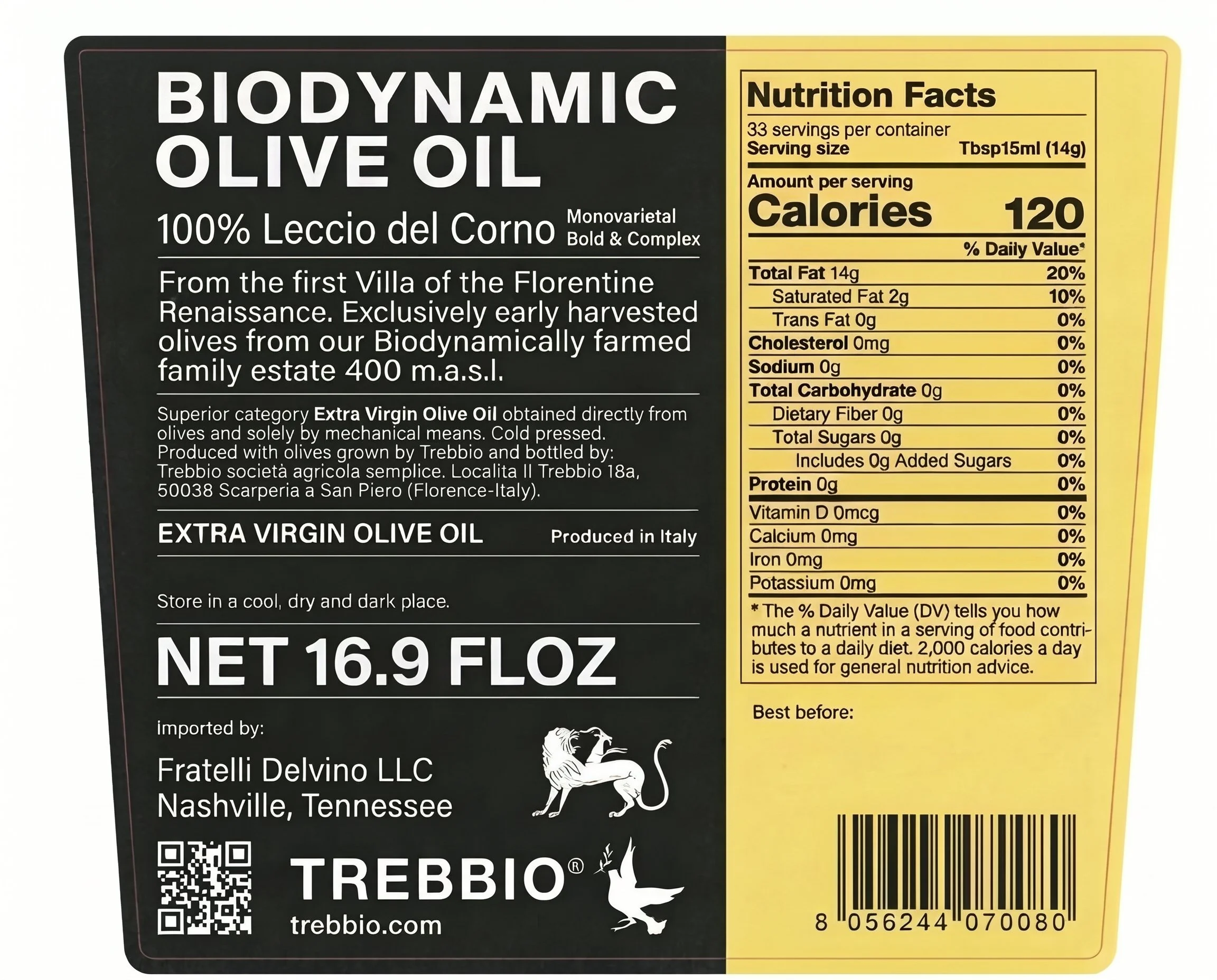
Character Bold & complete Delicate & fruity Vigorous & intense Bold & complex
What the judges said
NYIOOC 2026: GoldThe New York International Olive Oil Competition, judged blind by an international panel.
A.I.R.O.: Miglior ToscanaFirst in the Complesso category, judged by the association of olive-oil restaurants. Best Tuscan oil of the year.
Slow Food 2025: Grande Olio SlowSlow Food's mark for integrity of method, not just flavour.
Il Magnifico 2025: one starFlorence's own competition, judged blind.
Oil China 2026: GoldOne of three golds Trebbio took at the 21st edition.
And for the estateLos Angeles golds, ten honours at JOOP Tokyo, 90 points in Flos Olei, Der Feinschmecker's Top 100, and Gambero Rosso's Olive Grower of the Year in Oli d'Italia 2027.
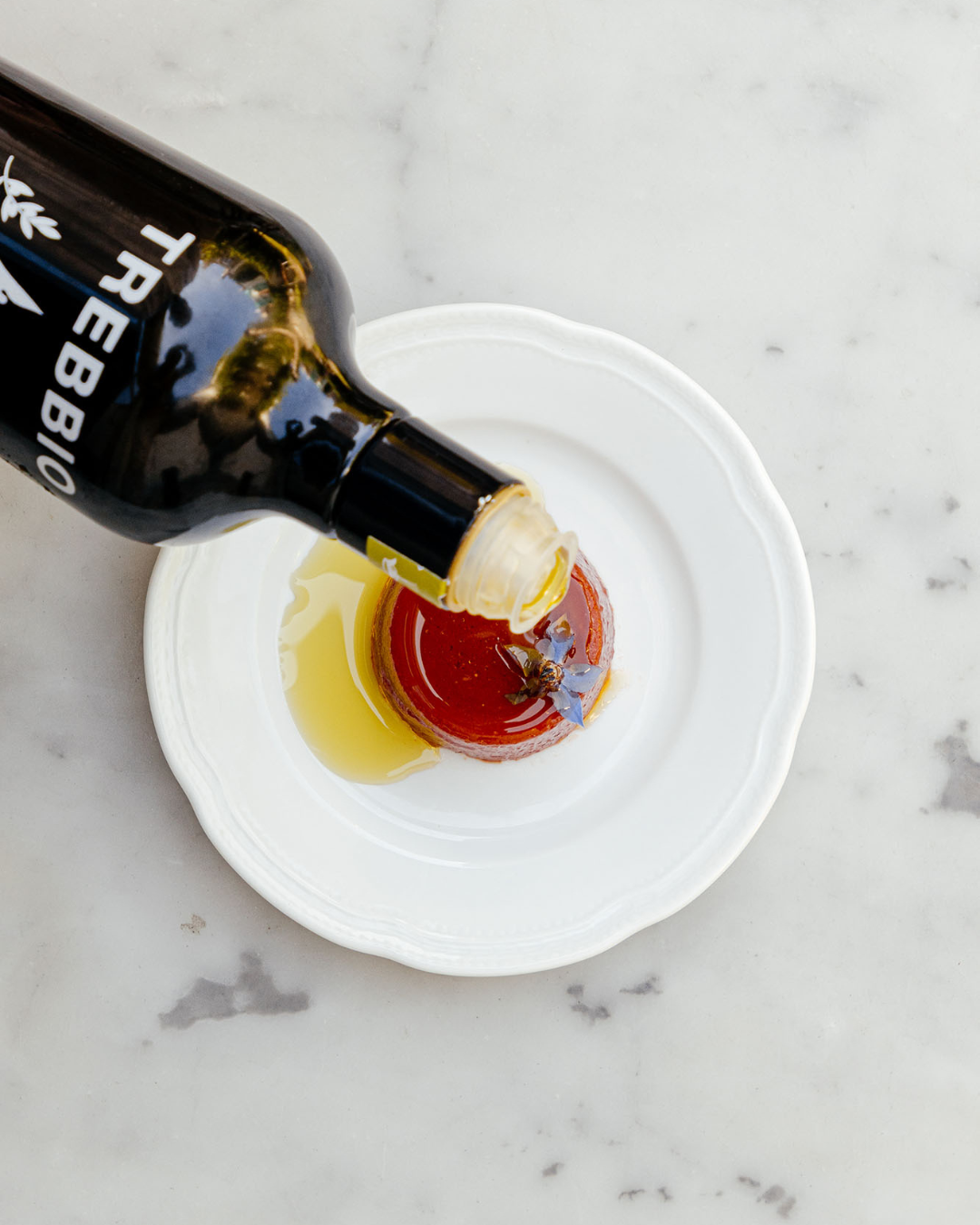
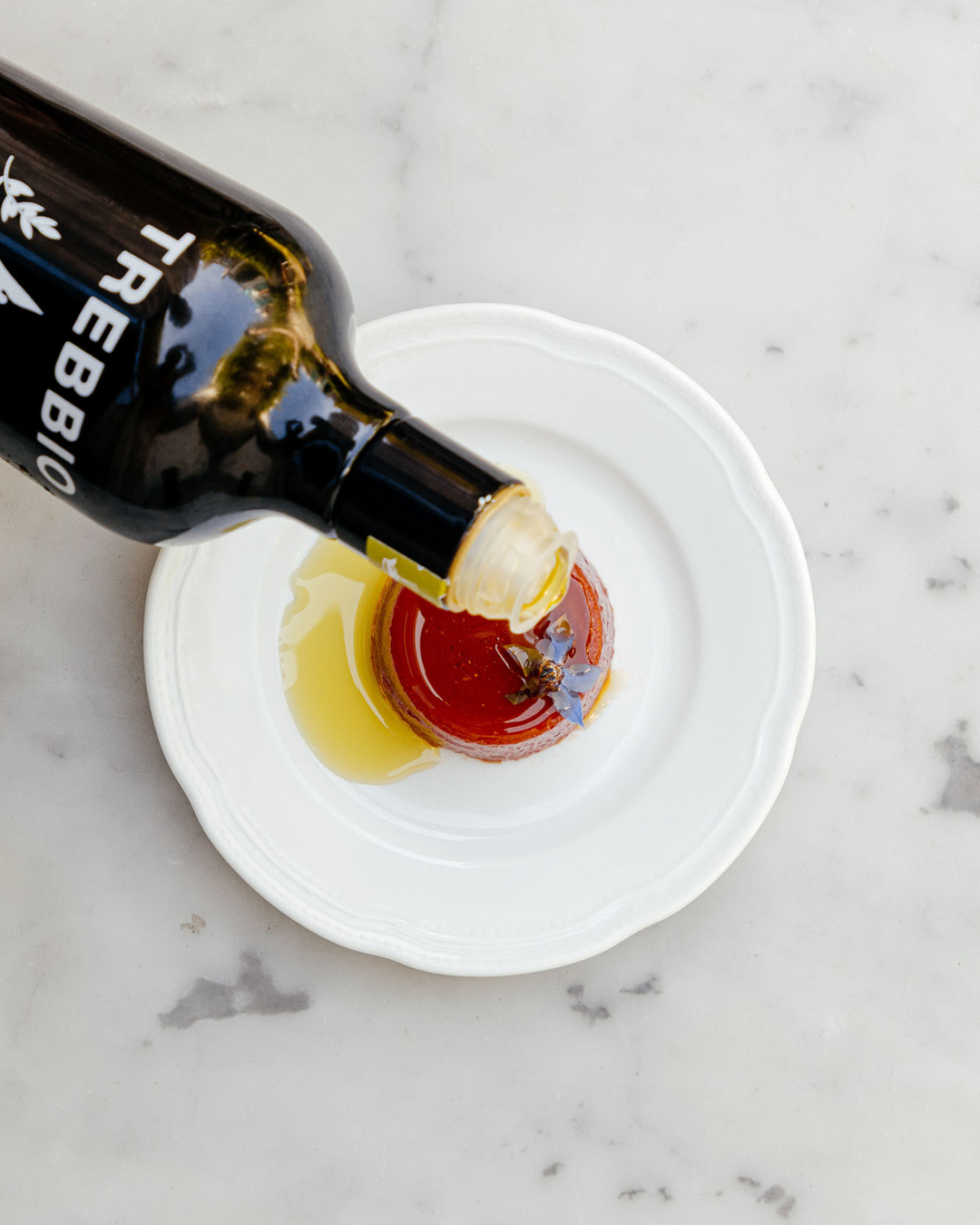
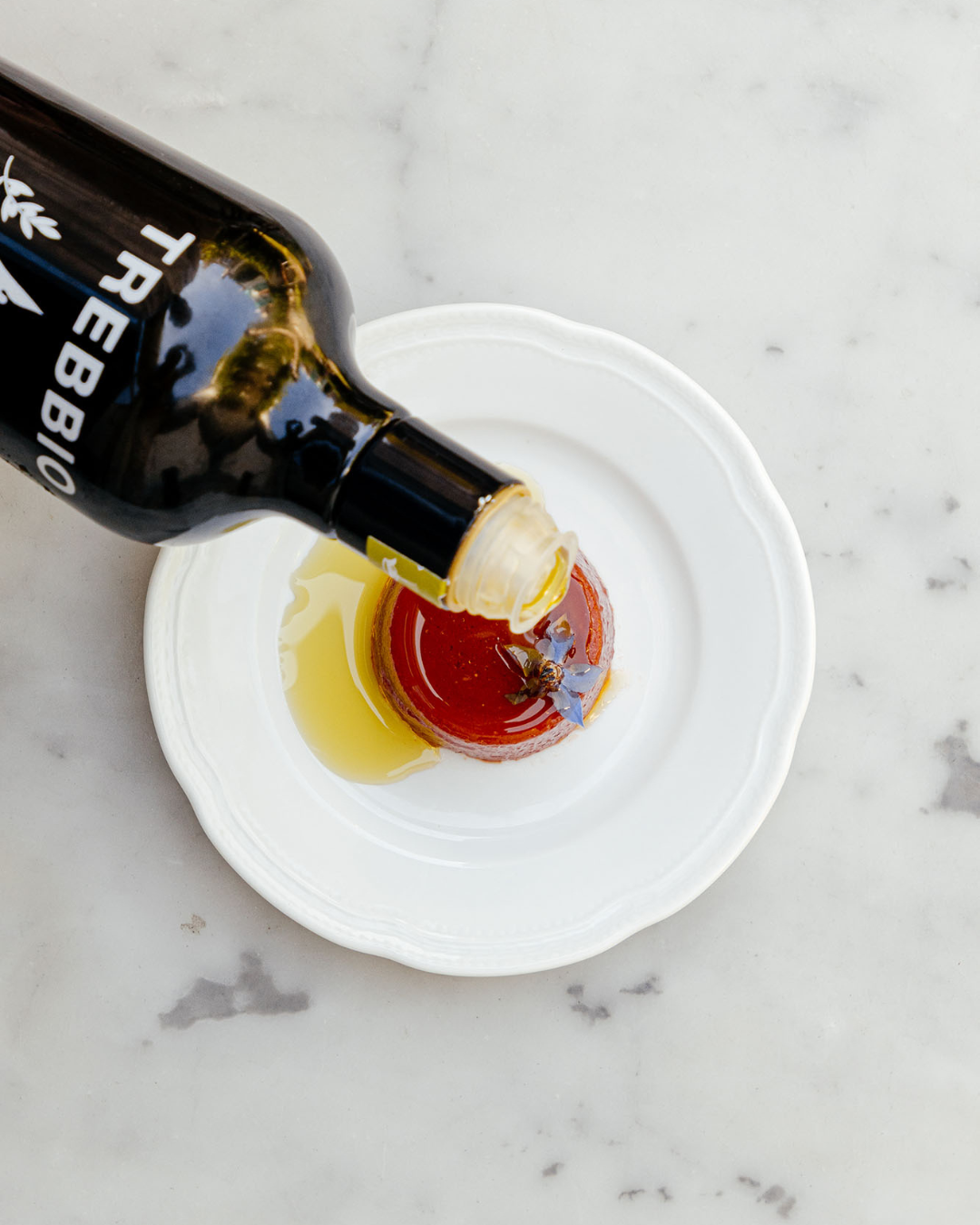
Pour it over
Roasted vegetablesPotatoes, fennel, squash: before they go in and again when they come out.
Pasta and soupsIn the pan and again at the table. It can take both, and most oils can't.
Grilled and roast meatRobust enough that char doesn't bury it.
The thing you're making tonightOf the four, this is the one that handles the widest range of food without ever being the wrong answer.
Yes, you can cook with it
The idea that good olive oil is only for drizzling is a marketing invention, and a recent one. Italians have cooked in extra virgin olive oil for as long as there has been extra virgin olive oil. The number that matters is the smoke point, around 375°F for an oil like this, and very little of what happens in a home kitchen goes above it. Sauté it, roast with it, fry in it, finish with it. What you shouldn't do is run an empty pan up to 500°F and then blame the oil.
Heated, it also holds up better than most of what's in the cupboard. A 2018 study took ten common cooking oils, ran them from room temperature to 240°C and then held them at 180°C for six hours, longer and hotter than any home roast. Extra virgin olive oil came out the most stable of the lot, ahead of canola, grapeseed and rice bran. What protects it isn't the smoke point; it's the fat profile and the oil's own antioxidants.
So the reason to own more than one bottle isn't heat. It's flavour. A gentle oil disappears into a dish and a pungent one argues with it, and which you reach for depends on what you're cooking, not on what the label gives you permission to do.
Straight answers
Is a blend lower quality than a monovarietal?
No, and it isn't cheaper either: it's the same price for a reason. Same grove, same harvest, same press, same tanks. The difference is that a monovarietal is one variety's voice and this is five of them arranged by someone whose job that is. Which you prefer is taste, not rank.
Which should I buy first?
This one, if you want a single bottle that handles everything you cook. A monovarietal, if you already have an everyday oil and you're curious what one variety tastes like on its own.
250 ml or 500 ml?
The 250 is the right first bottle and the right gift. The 500 works out 36% cheaper per millilitre, and is the one to buy once you know you like it.
When can I get it?
Q1 2027. Join the notify list and you'll hear the day it clears. The first allocation is small and goes to that list first.
Nine hundred years of the same family, and a grove only ten years old
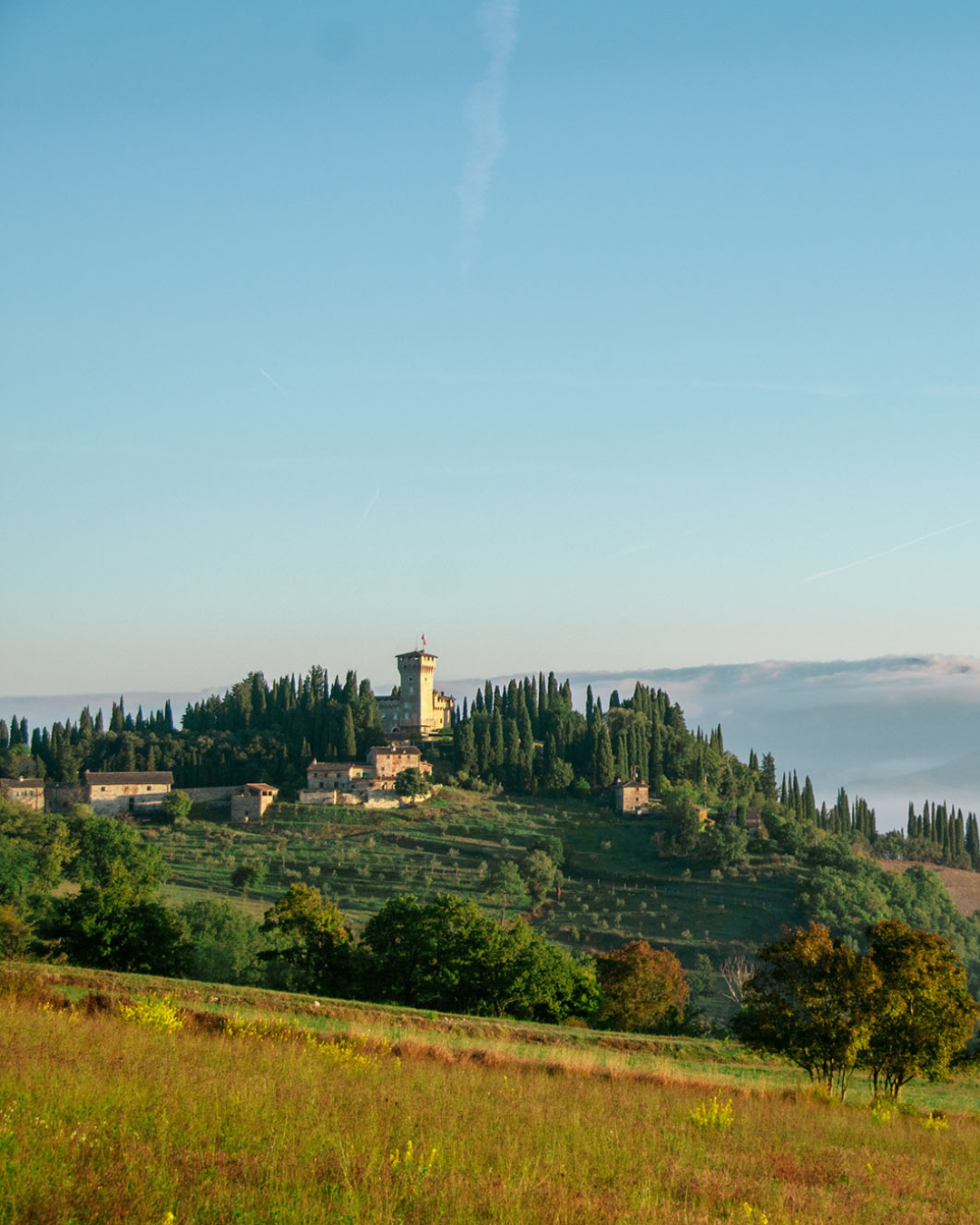
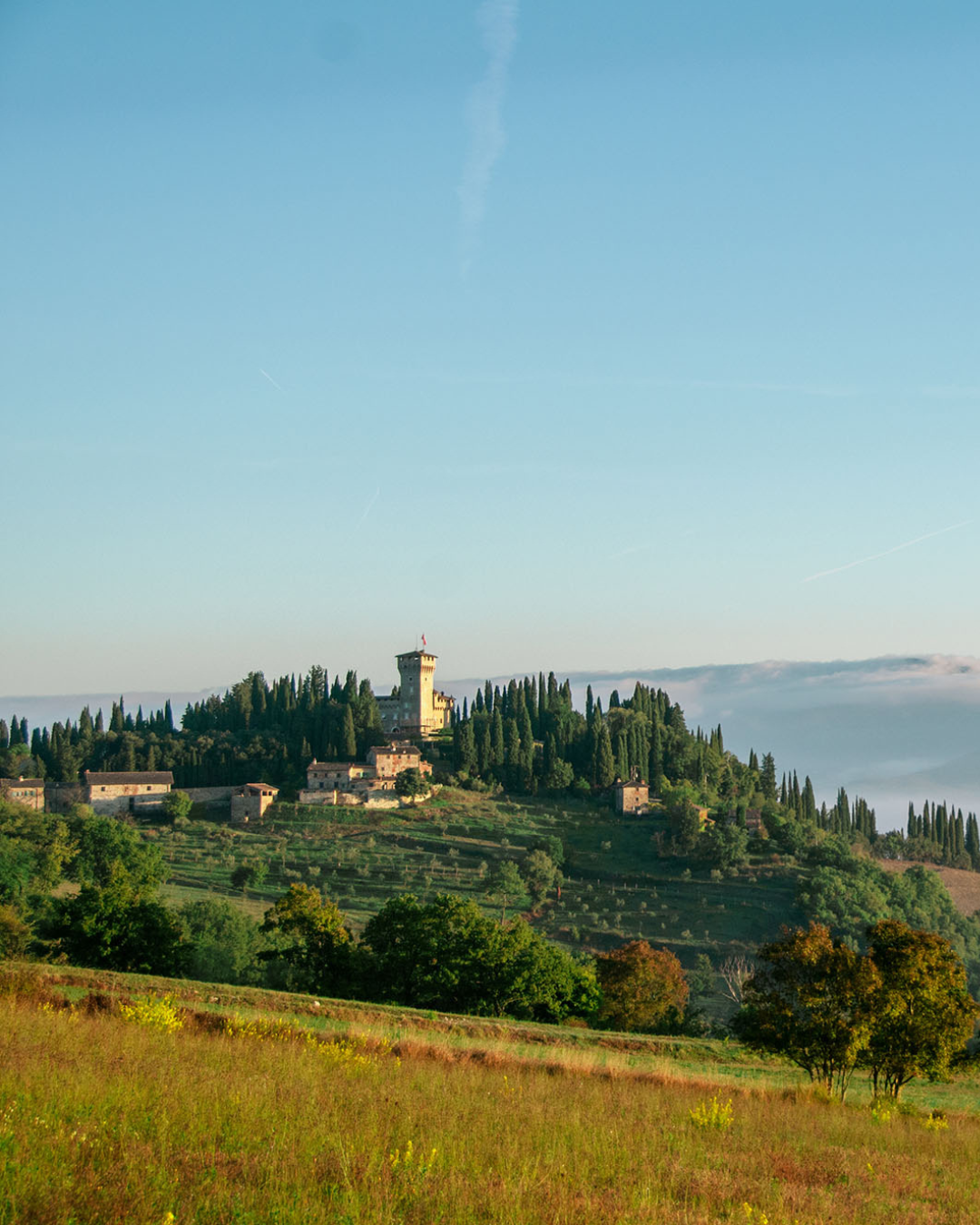
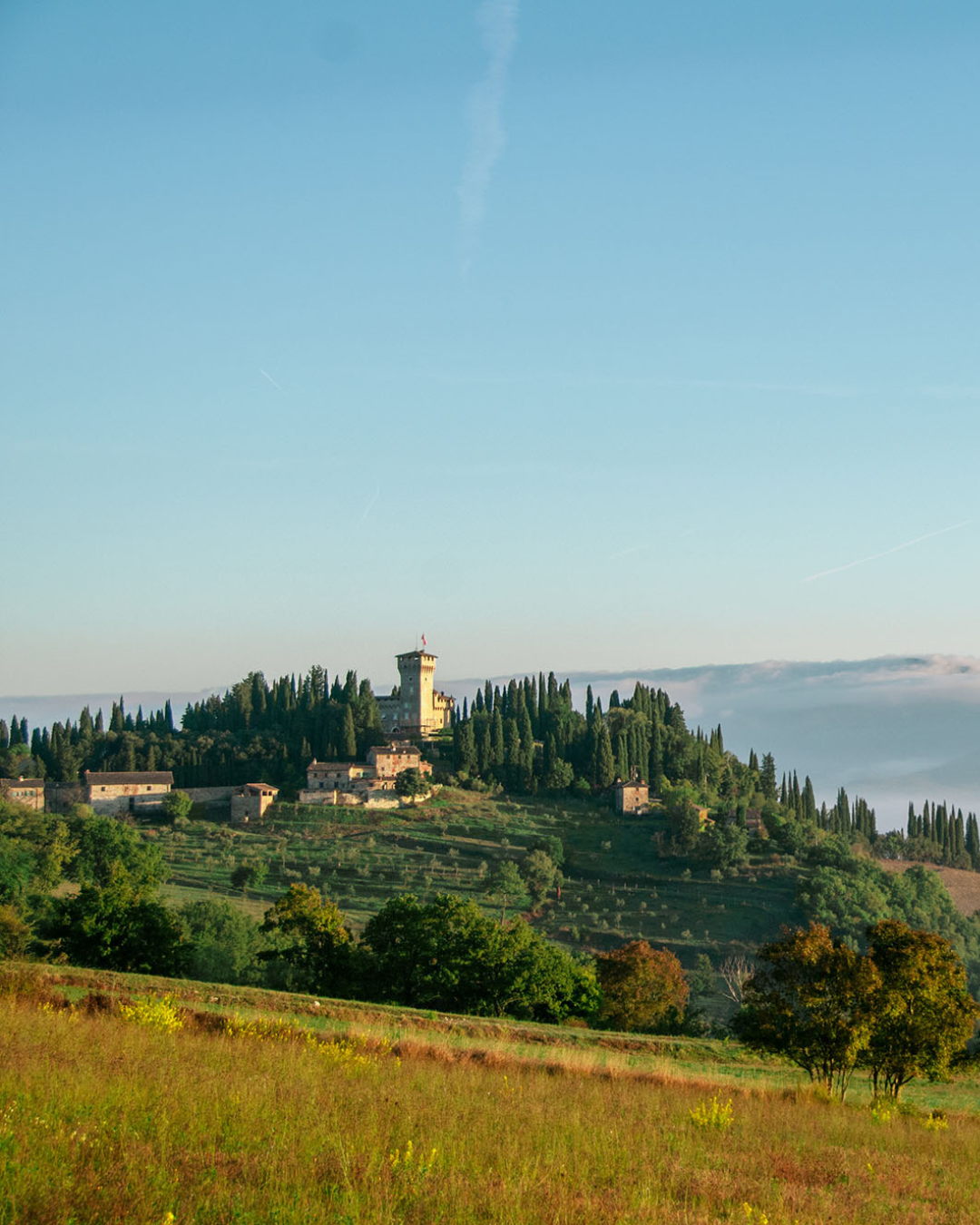
Il Trebbio is a Medici castle turned into the first Renaissance villa, a UNESCO World Heritage site in the Mugello hills twenty kilometres north of Florence. The Corsini family, whose history in Tuscany runs back more than 900 years, are its custodians today.
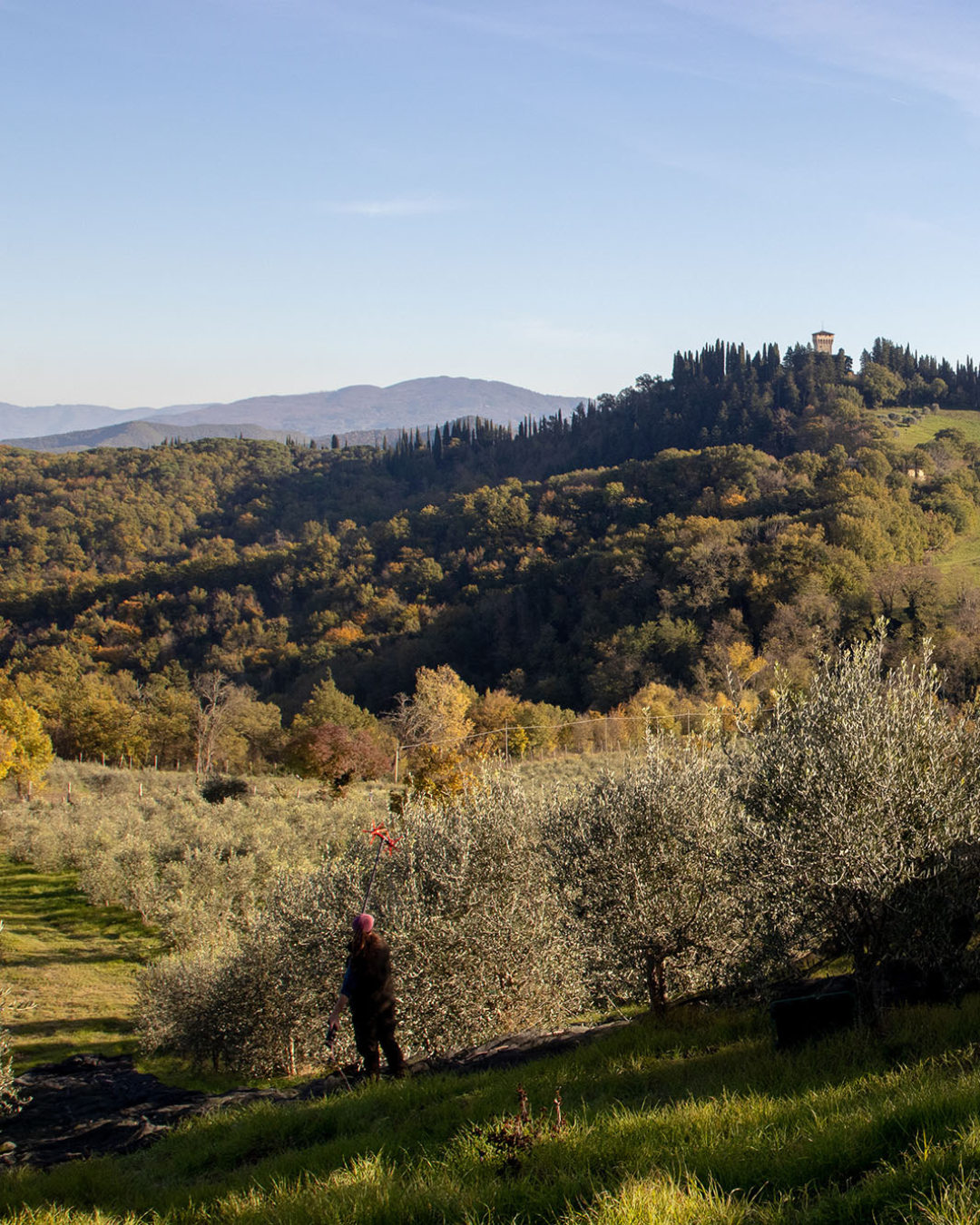
The olive grove is the new part. Clemente Corsini planted the first 10,000 trees in 2015 and another 20,000 between 2017 and 2019. Today there are around 30,000 trees across more than fifteen Tuscan varieties, farmed on biodynamic principles and certified biodynamic in Italy by AgriBioDinamica.
Among them the family found a variety nobody had catalogued. Italy's National Research Council confirmed it as endemic to this valley, and they named it Dianora del Trebbio, after their daughter.
Estate Il Trebbio, Scarperia e San Piero (FI)
Family Clemente, Gabriella, Lodovico, Niccolò & Dianora Corsini
Grove 70 hectares, around 30,000 trees, 15+ Tuscan varieties
Planted 2015, then 2017 to 2019; trees 6 to 10 years old
Method Biodynamic, fully traceable, one tank per variety
Certified by AgriBioDinamica (biodynamic)
Olive oil is becoming the bottle you bring to dinner Why monovarietals matter, how to taste one, and what to do with a bottle that costs as much as a decent Chianti. Read the guide →
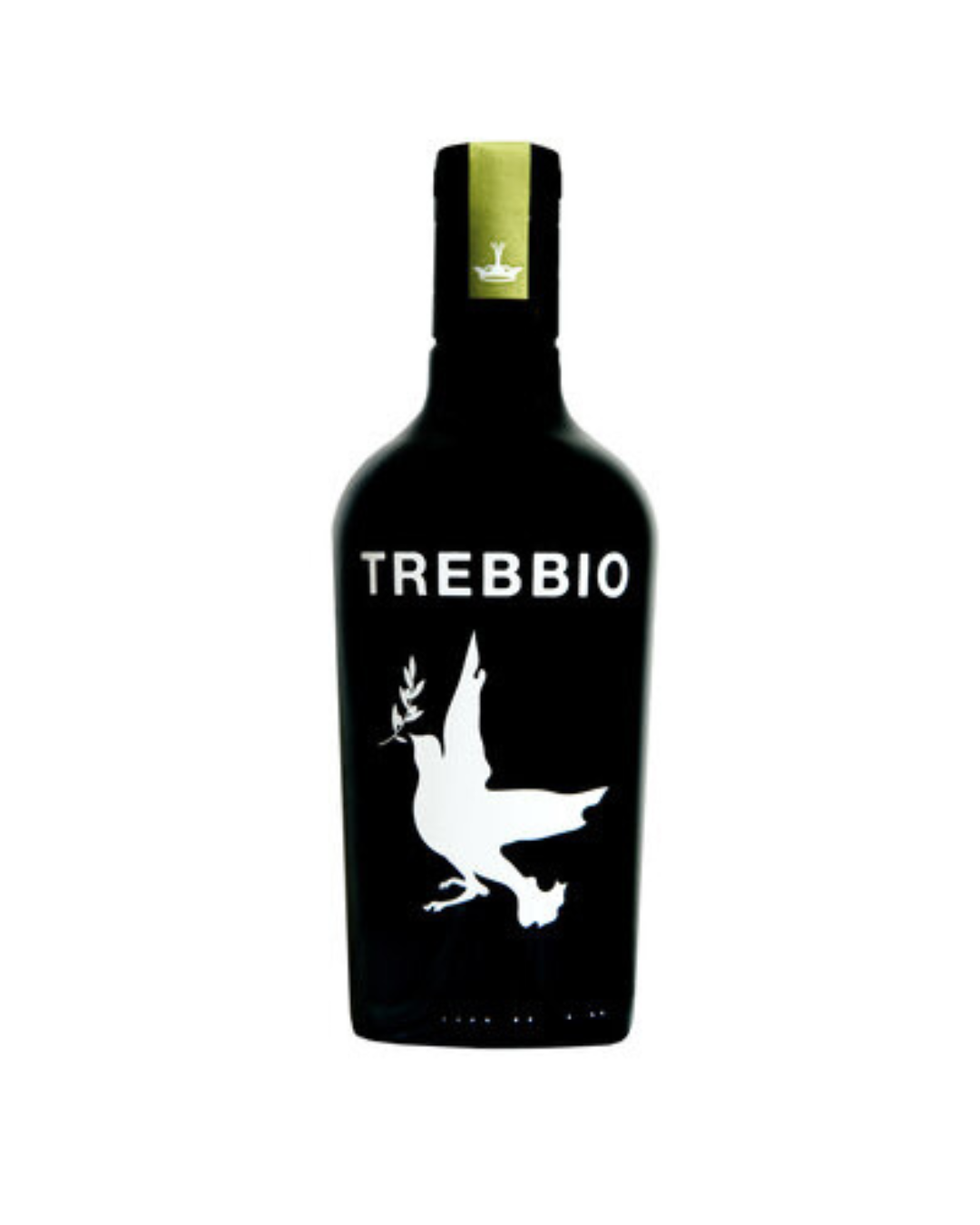 Image 1 of 8
 Image 2 of 8
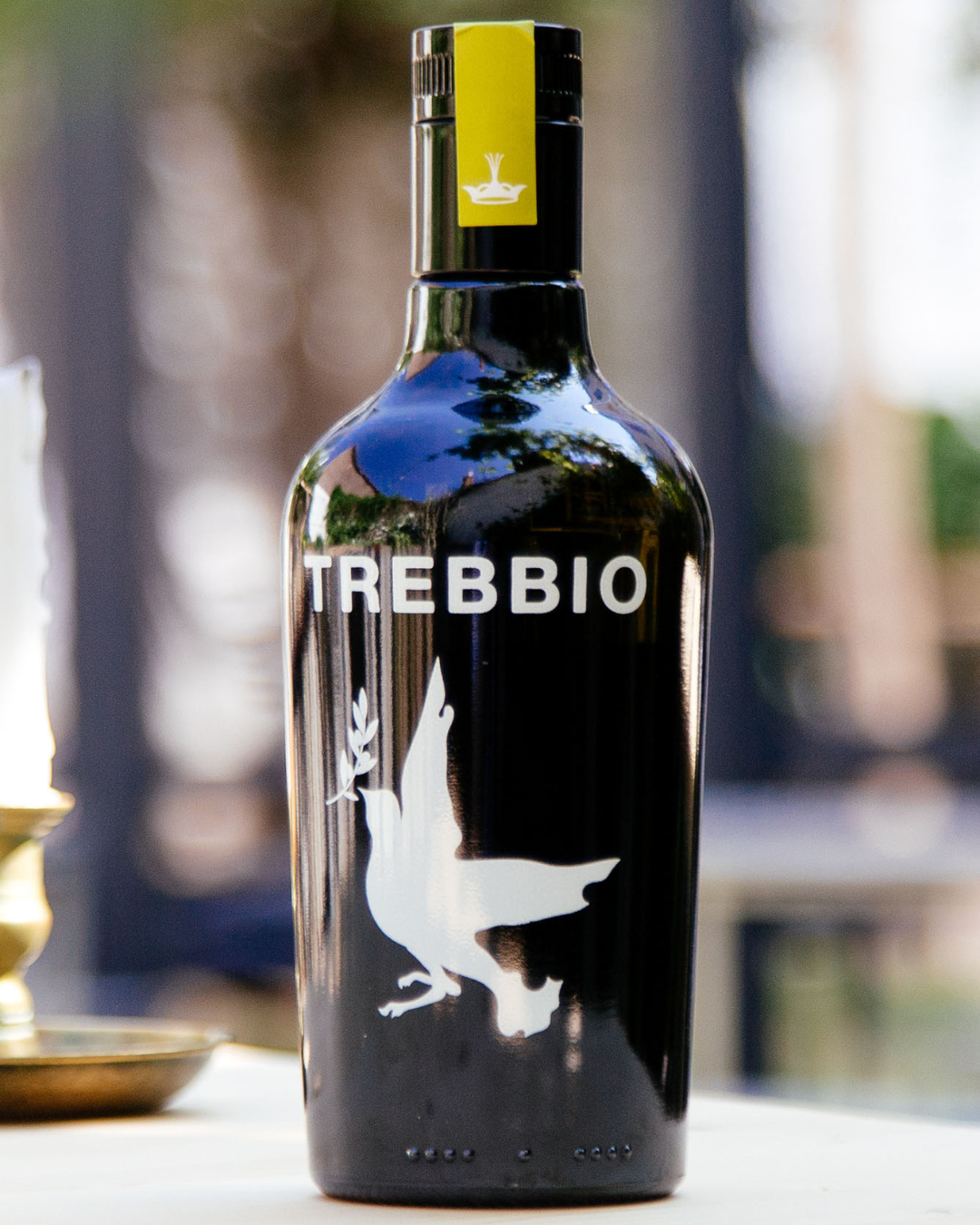 Image 3 of 8
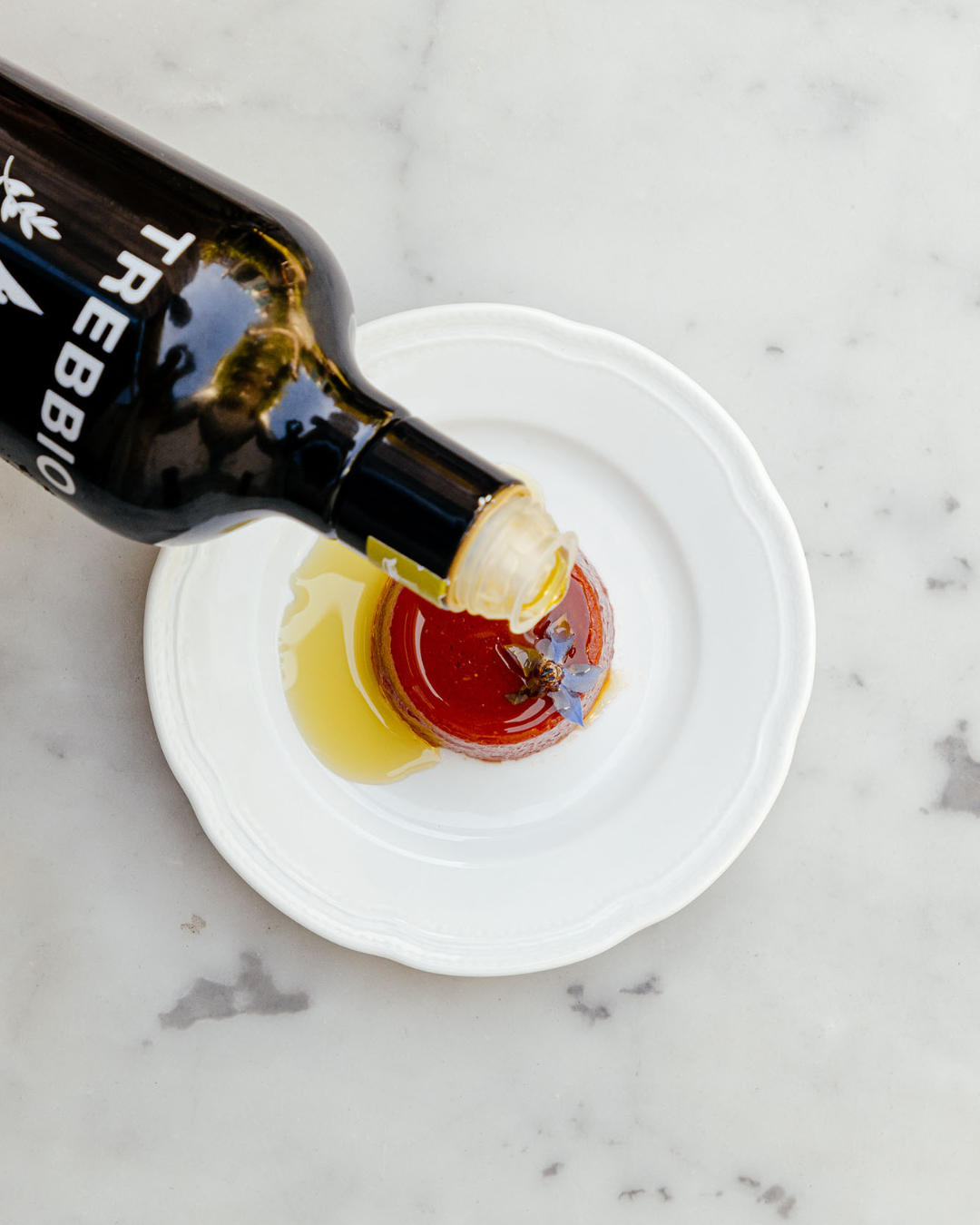 Image 4 of 8
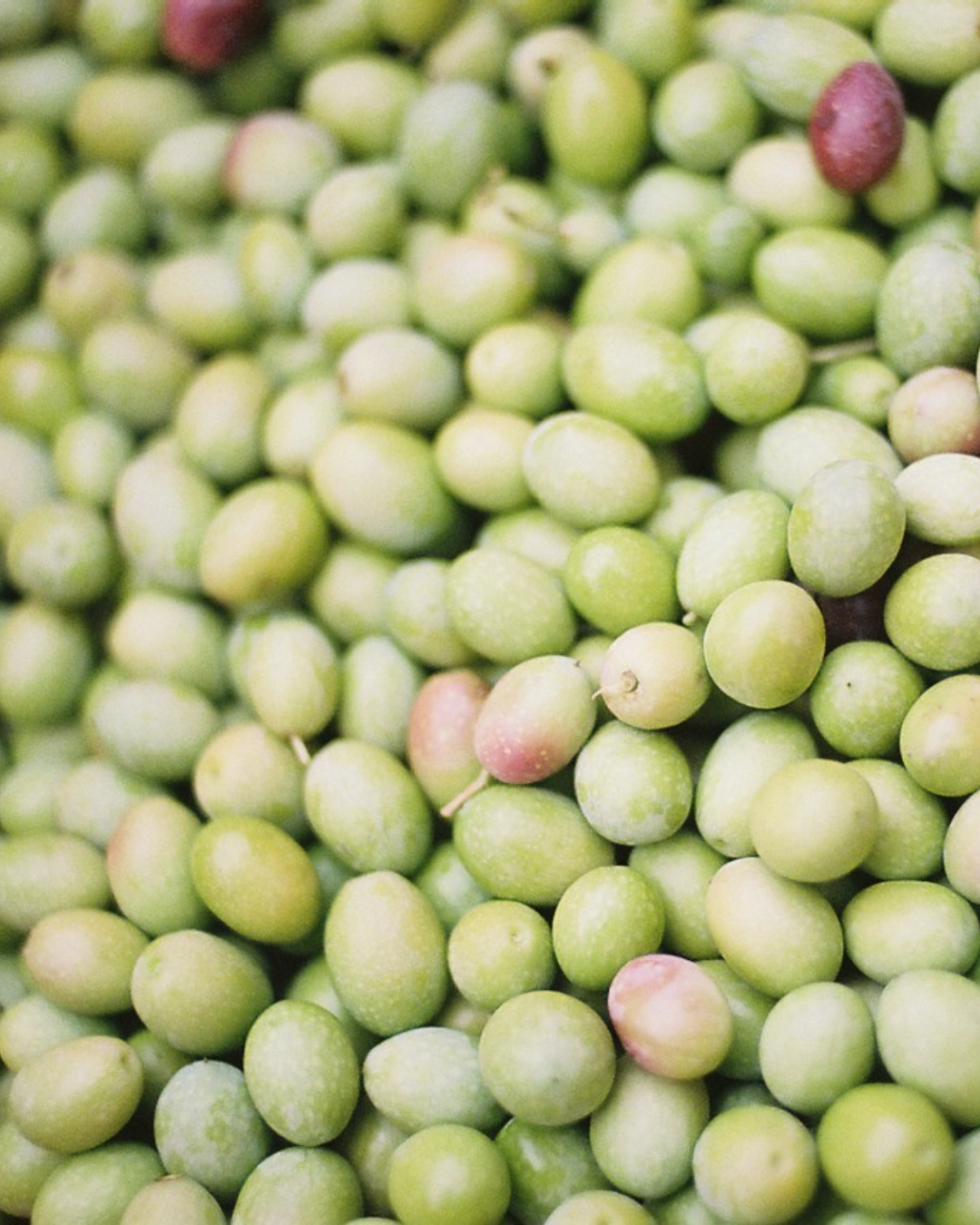 Image 5 of 8
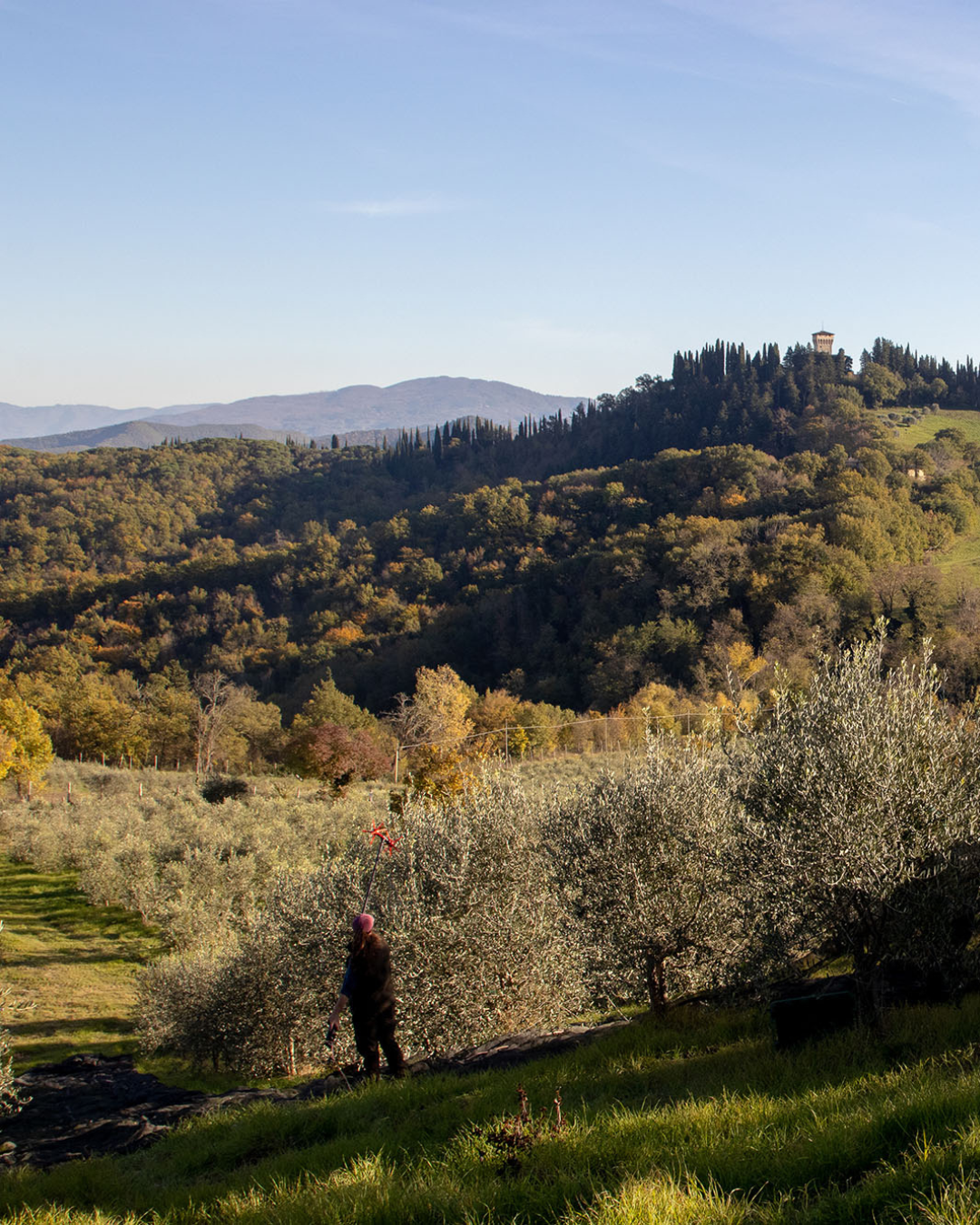 Image 6 of 8
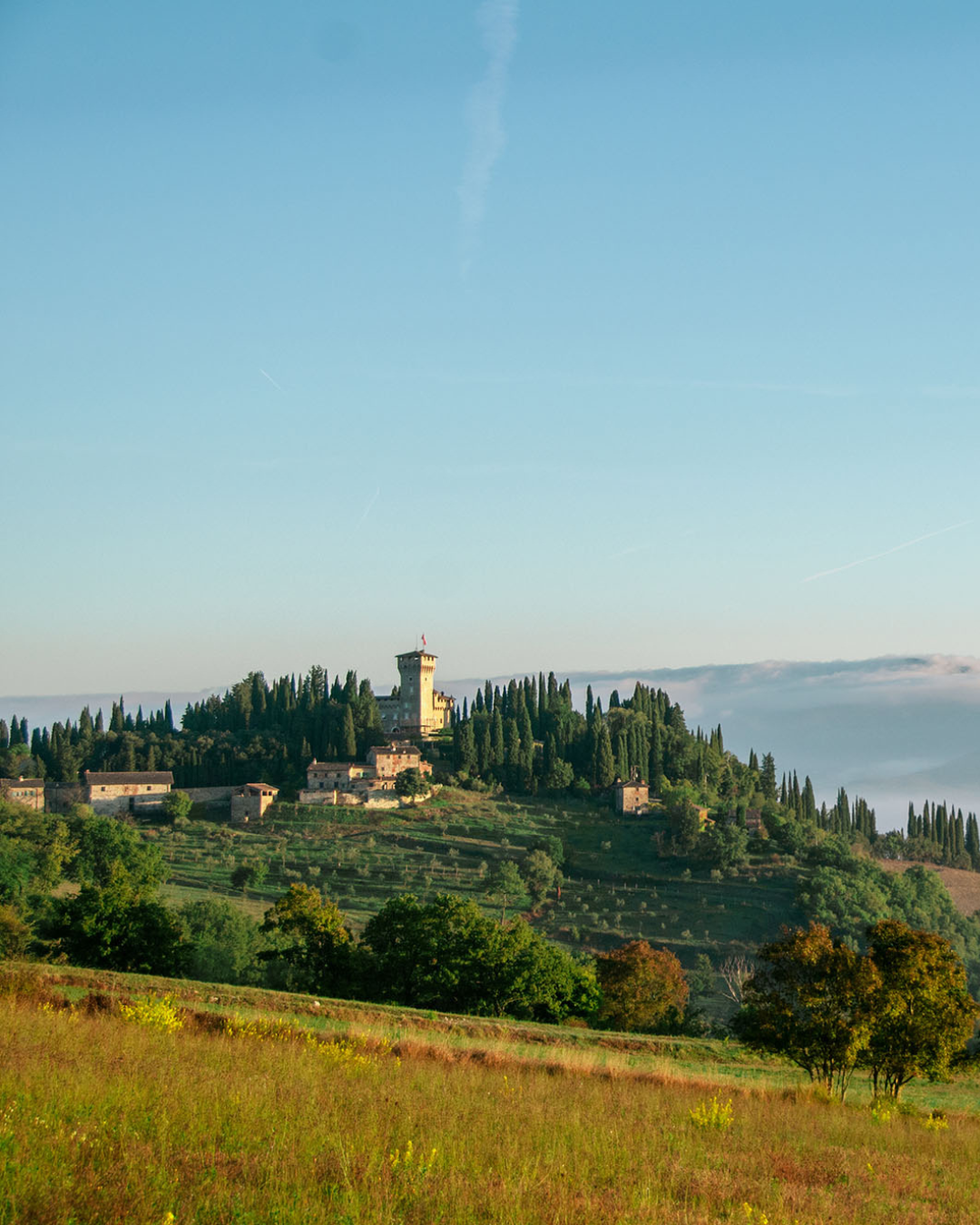 Image 7 of 8
 Image 8 of 8